Seeds Travel the World
Ravish Kumar
| 17-07-2026
 · Plant Team
You've probably brushed a jacket after a walk and found tiny seeds clinging to the fabric. Or watched fluffy seeds drift across a sidewalk on a windy afternoon.
These moments feel casual, but they're part of a long story. Plants don't walk, yet their seeds travel.
Over time, they've developed multiple ways to move, each shaped by environment, chance, and survival pressure.
Why seed movement matters for survival
Seed dispersal isn't just about distance. It's about avoiding problems close to home.
1. Less competition keeps young plants from fighting the parent for space and light.
2. Lower risk reduces the chance all offspring face the same threat.
3. New opportunities allow plants to reach better soil or conditions.
Plants use smart water rules to survive rain, drought, and everything between
Turn scraps into fresh produce with these five easy supermarket hacks
The surprising seasonal signals that tell flowers when to show their colors
Record Seaweed Blooms Threaten Beaches and Marine Life
Five Resilient Plants That Thrive Even in Boggy Gardens.
Exploring the History, Beauty, and Benefits of Hibiscus syriacus
You can see this logic in gardens. If seedlings sprout directly under a mature plant, many struggle. Thinning them out manually mimics natural dispersal and improves survival.
Wind as a natural transport system
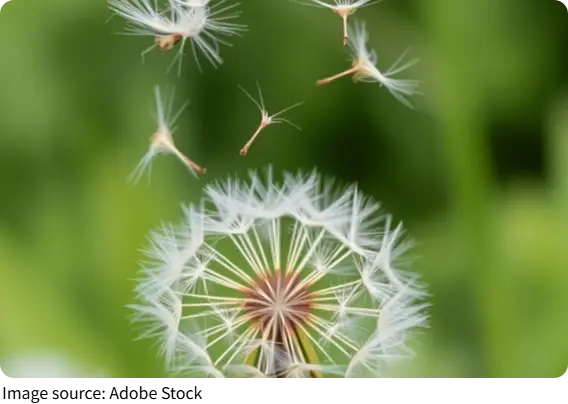
Some seeds rely on air movement to travel far beyond their source.
1. Lightweight design allows seeds to stay airborne longer.
2. Winged shapes help control direction and descent speed.
3. Fluffy structures catch even gentle breezes.
To observe this, drop a feather-like seed and a solid one from the same height. The difference in landing distance shows how shape affects movement. Plants with these seeds evolved where open space and airflow were reliable helpers.
Water as a moving pathway
In areas with frequent rain or nearby water sources, seeds often float.
1. Water-resistant coatings prevent damage during travel.
2. Air pockets keep seeds buoyant for long periods.
3. Delayed germination ensures growth starts only after landing.
If you're growing plants that prefer this strategy, avoid overwatering seedlings. Their early growth stage expects movement first, not constant moisture.
Animals as accidental carriers
Many plants use animals without offering food in return.
1. Hooked surfaces attach seeds to fur or fabric.
2. Sticky coatings help seeds cling during movement.
3. Durable shells protect seeds until they fall off.
An easy example is checking socks after a walk through tall grass. For gardeners, placing a mat near outdoor areas helps control where these hitchhiking seeds end up.
Edible rewards with a purpose
Some plants package seeds inside appealing outer layers to encourage transport.
1. Bright colors signal ripeness.
2. Soft textures encourage consumption.
3. Hard seed shells protect the core during travel.
When planting these species, spacing matters. Dropping seeds too close together ignores the natural distance this strategy relies on. Spread them out to reflect their evolved design.
Self-launching seed systems
Not all seeds wait for help. Some plants actively push seeds away.
1. Built-up tension releases suddenly when dry.
2. Directional force sends seeds outward from the parent.
3. Quick timing reduces exposure near the source.
You can observe this by watching seed pods dry over time. Keep them in a container and notice how seeds scatter when the pod opens. It's a simple but effective system shaped by reliability rather than distance.
Evolution shapes dispersal diversity
No single method works everywhere. Over generations, plants kept strategies that matched their surroundings.
1. Environmental pressure favors reliable movement.
2. Energy balance limits overly complex designs.
3. Adaptability allows small changes to improve success.
This explains why nearby plants can use entirely different methods. Each approach reflects what worked best over time, not what looks impressive.
What seed strategies teach plant growers
Seed dispersal offers clues about how to plant and care for species.
1. Wind-driven seeds prefer open spacing.
2. Water-adapted seeds need careful moisture timing.
3. Animal-assisted seeds benefit from wider distribution.
A helpful habit is reading seed structure before planting. Shape, size, and texture hint at how far the plant expects its offspring to travel.
Seeds may be small, but their journeys are intentional. Each shape carries a record of past success, shaped by trial and survival. When you notice how seeds move, you're not just watching nature at work—you're seeing evolution's quiet decisions unfolding, one tiny traveler at a time.