Győr: Rivers & Baroque Glow

Caroll Alvarado
| 12-05-2026
 · Travel Team
Friends, ready for a walkable city where three rivers meet and Baroque streets glow at sunset? Győr, in Western Transdanubia, pairs elegant architecture with bike paths, leafy squares, and wallet-friendly museums.
Base yourself near the Old Town, then fan out to riverside promenades, historic halls, castle walls, and thermal pools. Two days is perfect; a third day lets you add a countryside detour.
Old Town
Start in the compact historic core, a grid of cobbles leading to Bécsi Kapu tér and Széchenyi tér. Pastel facades, stucco scrolls, and arcaded houses set the tone. Join a 90-minute walking tour (from ~$12) for context on rebuilding after sieges and fires. Most sights sit within a 10–15-minute stroll; cafés cluster around Széchenyi tér for mid-morning pastries.
Hike cliffs, wander gardens, and pause by the pier—Burlington makes a compact, calm, and cost-clear lakeside break.
Creative museums, hill views, lively markets, and clear transit links make Gwangju easy to plan—with low-cost tickets across the core.
Only 3 days in Cuba, what will you explore first? Old streets, music nights, beach vibes!
Golden beaches, caves, gardens, and lively nights—Barbados blends coastal drama with calm coves and easy island culture.
Handpicked resorts with clear prices, perks, and timing tips—plan your stress-free Mexican beachfront escape with zero guesswork.
Switzerland's golden valley turns amber every October — and the alpine reflections will stop you in your tracks
Hill Quarter
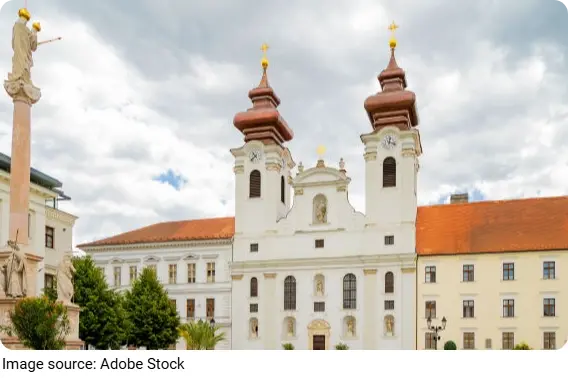
Káptalan Hill crowns the confluence of the Danube, Rába, and Rábca. Climb the gentle lanes to outlooks where you can watch kayakers below and rooftops glow at golden hour. Bring a light layer—the river breeze can be brisk even in spring. After sunset, lantern-lit alleys make a mellow loop back toward the main squares.
Castle Complex
Perched at the hill’s edge, the fortified residence mixes Gothic lower stones with later Baroque flourishes. Hourly guided visits (Tue–Sun, on the hour) run about ~$8 and include the multi-level chapel space and a vaulted hall accessed by a 14th-century “runaway corridor.” It’s small but atmospheric—reserve earlier tickets in summer.
Baroque Highlights
On Széchenyi tér, step inside 17th–18th-century halls noted for trompe-l’œil ceilings and richly framed altarpieces by celebrated Central European painters. Entry is usually free; plan 15–20 minutes to admire the frescoed barrel vaults and marble-trimmed side spaces.
Széchenyi tér
Gate Square
Vienna Gate Square narrows toward the Rába, where fragments of 16th-century ramparts survive. Don’t miss the petite roadside niche with a finely carved Marian image. Nearby, the Altabak-ház (1620) hides a courtyard and loggia behind a heavy wooden gate—peek in if it’s open; it’s a photographer favorite.
Grand Town Hall
At Szent István út and Baross út, Győr’s neo-Baroque showpiece rises with a 59-meter tower and manicured forecourt. Snap the facade with the city arms from the small garden, then pop into the lobby for life-size marble figures. It’s free to admire outside; interiors open only during occasional events.
Treasury & Library
A 17th-century palace near the hill holds a refined treasury and a book-lined library. Expect embroidered vestments, gilded metalwork, polychrome sculpture, and early printed volumes. Combined tickets hover around ~$7–$9; allow 45–60 minutes. The lapidarium in the basement displays Romanesque stones rescued during restorations.
Iron Stump House
At No. 4 Széchenyi tér, look for the tree trunk bristling with nails—traditionally tapped by passing craftsmen for luck. Inside, the Imre Patkó Collection spotlights Hungarian avant-garde names alongside works from Asia, Oceania, and Africa. Tickets are typically ~$5; plan 30–40 minutes.
Esterházy Palace
This late-Baroque mansion on Király utca anchors the city art museum. The permanent show centers on early-20th-century modernists—landscapes, figurative pieces, and sculpture from the famed Gresham Circle and contemporaries. Entry runs ~$6–$8; check for rotating exhibits if you like bold colors and clean lines.
Castle Casemates
Tucked off Bécsi Kapu tér, a short corridor through the bastion reveals carved fragments from old city gates, plus Roman milestones and sarcophagi. It’s compact but insightful (30 minutes). Small fees (~$3) apply; pair with the square for an hour of ramparts-meets-stonework.
Museums Duo
Two easy wins sit near the main squares. The Archaeological Museum traces local life from antiquity with jewelry, pottery, and craft tools (~$6). The Xántus János Museum—one of Hungary’s oldest public collections—adds Roman finds, guild pieces, tile stoves, and stamp cabinets (~$6). Together they fill 90 minutes.
Rivers & Cycling
Győr is wonderfully bikeable. Rentals start around ~$8–$12 per half-day; family tandems and child seats are common. Follow riverside embankments or hop on EuroVelo 6 toward small villages and willow-lined bends. Wayfinding is good; carry cash for rural kiosks and bring a compact rain shell for passing showers.
Thermal Pause
Rába Quelle, the city’s thermal complex, sits by the water with indoor/outdoor pools and family zones. Day tickets typically range ~$12–$18; lockers are included. Visit weekday mornings for quieter soaking, or late afternoon after sightseeing. Flip-flops and swim caps are handy—some lanes require them.
Family Picks
Győr’s petite zoo focuses on giraffes, zebras, big cats, primates, and small mammals. Expect shaded paths and child-friendly signage. Plan 1.5–2 hours; tickets are usually ~$8–$10, with discounts for kids. Combine with a riverside playground for an easy, no-rush afternoon.
Day Detour
South of Győr, the Pannonhalma hills reward with serpentine roads, tidy vineyards, and stately libraries housed in heritage complexes. Guided visits showcase frescoed refectories and vast reading rooms; allow 2–3 hours on site plus 40 minutes’ drive. Tours typically run ~$10–$14. Book ahead on weekends.
Stay & Move
Sleep in the Old Town for doorstep squares and evening strolls—mid-range rooms average $70–$120, apartments $80–$140. Győr station links Budapest Keleti and Vienna in ~1h20–1h40; advance fares often $9–$18. In town, you’ll walk everywhere; local buses cover farther parks if needed.
Conclusion
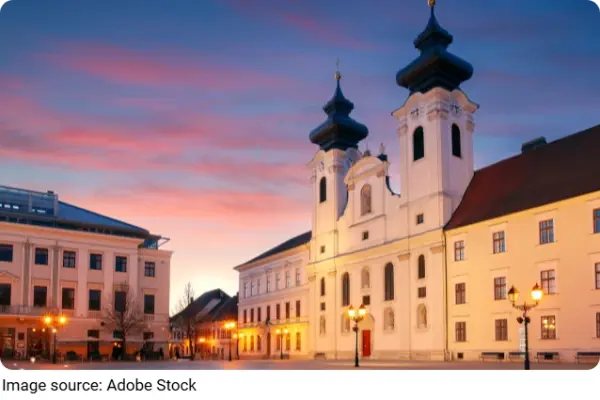
Győr charms with layered stones, riverlight, and steady, human-scale streets. Whether you’re sketching facades on Széchenyi tér, pedaling embankments, or unwinding at the baths, the city moves at a relaxed tempo. Which mix suits your style—architecture and museums, or bikes and thermal time? Share your travel dates and pace, and a tidy Győr game plan is yours.