Smart Helmet Tech Guide

Ethan Sullivan
| 03-07-2026
 · Auto Team
Helmets are no longer limited to basic head protection. With the rise of smart technology, modern helmets now integrate communication, audio, and safety-enhancing features that improve the overall riding experience.
These innovations are designed to support convenience, awareness, and hands-free interaction while on the road.
What Is a Smart Helmet?
A smart Bluetooth helmet is a standard protective helmet enhanced with built-in electronic features. It is designed to connect wirelessly to a mobile device, allowing riders to access communication and media functions without handling their phones.
Inside the helmet, integrated components such as speakers and microphones enable hands-free calling, navigation guidance, and audio playback. This allows riders to stay connected while maintaining focus on the road.
Regular fuel system inspections can prevent costly engine problems before they start. Here is what to check and why.
The Future of EV Charging: More Reliable, Faster, and Smarter Than Ever Before
Two clean-car paths are racing forward, but they are playing very different games on the road
Why monthly car subscriptions are turning ownership into something closer to streaming with seatbelts
How car makers cut waste, energy use, and emissions while building cleaner vehicles from start to finish
How autonomous cars could reshape streets, parking, traffic flow, and the everyday rhythm of city life
Bluetooth Connectivity and Audio Functions
Smart helmets use Bluetooth technology to establish a stable connection with a mobile device. Once paired, the helmet can remain connected throughout a ride.
Through this system, users can:
- Listen to music
- Receive navigation instructions
- Answer phone calls hands-free
The built-in speakers are positioned to deliver clear audio without blocking environmental awareness. Microphones are designed to reduce wind interference, improving voice clarity during communication.
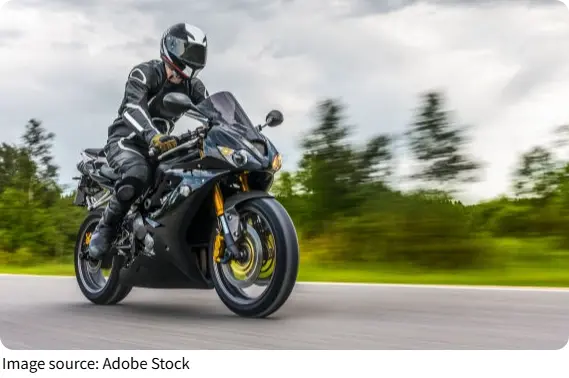
Safety-Oriented Features
Beyond communication, some smart helmets include additional safety-support functions. These may vary depending on the model but often focus on improving rider awareness and emergency response.
Common features may include:
- Impact detection systems that can trigger alerts through a connected app
- Emergency notification functions that can share location details with selected contacts
- LED indicators that improve visibility and signal rider movements in low-light conditions
These features are designed to complement standard helmet protection by adding an extra layer of technological support.
Group Communication Features
Certain smart helmets support intercom-style communication between riders. This allows real-time voice interaction within a riding group, similar to a communication headset system.
This feature can be useful for:
- Coordinating routes
- Sharing traffic or road updates
- Maintaining communication during group rides
Performance and range depend on the device and environmental conditions.
Mobile App Integration
Most smart helmets are paired with a mobile application that manages their functions. The app typically allows users to:
- Adjust audio settings
- Manage connectivity options
- Monitor battery status
- Configure emergency contact settings (where available)
Setup is generally simple, requiring pairing between the helmet and the mobile device before use.
Battery Life and Practical Use
Smart helmets are designed with rechargeable batteries to support extended daily use. Most models can operate for several hours on a single charge, depending on feature usage such as audio streaming or communication tools.
Charging is usually done through a standard USB connection, making it convenient for regular use. Despite the added electronics, these helmets are engineered to maintain standard safety protection requirements.
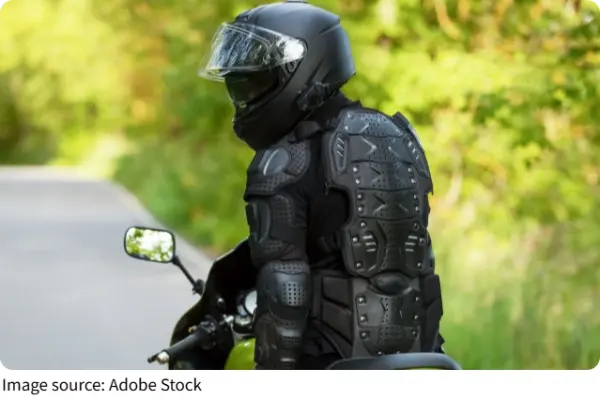
Smart helmets represent a modern evolution in rider safety and convenience. By combining traditional protective design with wireless communication and digital features, they offer a more connected and efficient riding experience. For commuters and recreational riders alike, these helmets provide practical enhancements that support both comfort and awareness on the road.