Lake, Rails, and Trails
Mukesh Kumar
| 09-07-2026
 · Travel Team
Lykkers, the train running beside Palcmanská Maša reservoir near Mlynky and Dedinky is more than a beautiful photograph.
It is also a clue to the best way to experience the southern side of Slovak Paradise National Park: slow down, stay near the lake, and combine the railway scenery with one carefully chosen hike.
The reservoir covers about 0.85 square km, while the wider national park has roughly 300 km of marked hiking trails. The area is known for narrow gorges, waterfalls, ladders, chains, and forest paths, so this is not a place where every walking route suits every traveler.
Slovak Paradise National Park
Arrive and Stay by the Lake
The first decision is your base. The northern and southern sides of Slovak Paradise offer different experiences, and the train-and-lake landscape belongs to the southern side. If this exact scenery is why you are coming, Dedinky and Mlynky are better bases than staying far away and driving in for a quick photograph.
How do you plan a road trip that stays exciting from start to finish?
Is Brúarfoss Iceland's Brightest Blue Waterfall? Discover the Best Route, Costs, Travel Tips, and Hidden Scenic Views!
Can a free desert stop still need a serious plan?
Can a tiny lakeside town deserve two full days of your Austria trip?
Can one sunset plan save your whole Lofoten trip?
Can Muscat work without a rushed tour bus?
Choose Dedinky or Mlynky
Choose Dedinky for Palcmanská Maša, lakeside walks, easy reservoir access, and a quieter stay. Choose Mlynky for hiking access and a broader outdoor base (~761 m elevation). The two are close enough to combine without changing accommodation—a 2-night stay works well:
• Day 1: arrive, check in, 1.5–2.5 hours around the lake.
• Day 2: one main hike (~3–6 hours, depending on ability).
• Day 3: final 60–90 min lakeside walk, then depart.
This is more realistic than arriving at noon, rushing a gorge route, grabbing a train photo, and leaving before dinner.
Train or Car
The railway adds to the area's character, and public transport works for flexible travelers—but regional timetables change seasonally, so check current schedules rather than relying on old ones. If arriving by train from elsewhere in Slovakia, expect at least one connection; build in a 20–30 minute transfer buffer, as a missed regional train costs more time than a missed city metro.
Driving offers flexibility, not speed—mountain and village roads are slower, so add ~15–20% to optimistic navigation estimates when planning a pre-hike arrival. For travelers from far western Slovakia, don't treat this as a comfortable day-return trip—one or two nights near the park is the better choice.
Pick the Right Season
For hiking and lake scenery, late May – September is the easiest planning window. July–August are warmest but busiest; June and September offer long days with fewer crowds. October can work but requires cautious planning due to shorter daylight and changeable weather.
For photos of the train, lake, and hills, aim for 7:00–9:00 a.m. (calm water, soft light) or about 90 minutes before sunset (warm landscape light). Never stand on railway infrastructure or restricted areas—use legal public viewpoints and be patient, not reckless.
Build One Complete Outdoor Day
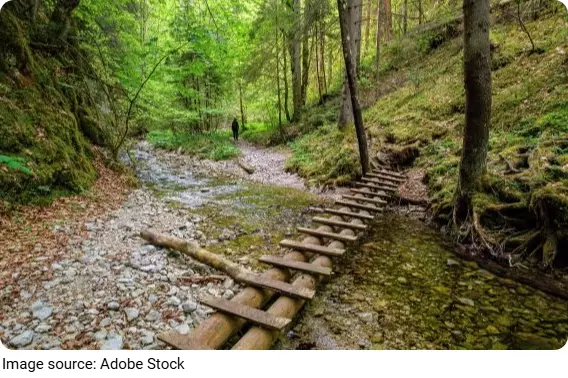
The second decision is how much activity you actually want. Slovak Paradise is famous for routes with ladders, chains, and narrow passages, but you do not need to choose the hardest route to enjoy the landscape.
Start With a Simple Schedule
For a summer hiking day, use this basic plan:
• 7:00 a.m. — wake up and check the weather.
• 7:30 a.m. — breakfast.
• 8:15 a.m. — prepare water, food, rain layer, and offline map.
• 8:30 to 9:00 a.m. — start walking or move to the trailhead.
• 9:00 a.m. to 1:00 p.m. — complete the main section of your chosen route.
• 1:00 to 1:30 p.m. — lunch and rest.
• 1:30 to 3:00 p.m. — finish the return section at a controlled pace.
• 3:30 p.m. onward — return to the lake, rest, or take an easy walk.
This schedule deliberately keeps the main physical activity in the first part of the day. In mountain terrain, finishing a route earlier is more useful than starting a difficult section at 3:00 p.m.
Choose the Hike by Ability
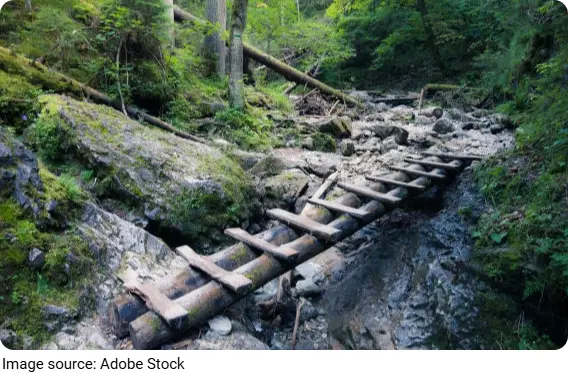
For an adventurous route near the southern side, Zejmarská Gorge is a logical choice—known for waterfalls and fixed climbing aids, so it's not an ordinary flat forest walk. Only choose it if everyone is comfortable with heights, wet surfaces, metal ladders, and slow movement. Rain worsens slippery sections, and queues can form at climbing spots in peak times.
Traveling with small children, fear of heights, or dislike of climbing aids? Pick a simpler forest or lakeside trail instead—Slovak Paradise has ~300 km of trails, so skipping one gorge won't diminish the experience. For a first active day, aim for 3–5 hours of actual walking, plus 30–60 minutes for photos, checks, food, and delays. A "4-hour" route can easily become a 5-hour day.
Pack by Numbers
For a 4–5 hour summer hike, carry 1.5–2 liters of water per person (3–4 L for two). Each person needs: rain layer, warm layer, grippy hiking shoes, lunch, and 2+ snacks. Charge your phone and download the map offline. No smooth city shoes for gorge walking—wet rock and metal steps need traction. Park entry fees are low but change over time; check current rates on arrival—don't trust old figures like €1.50 or €3.
Plan a Realistic Daily Budget
A self-guided day is inexpensive. After accommodation, budget €15–30 per person for meals, drinks, and snacks—plus park entry and local transport if needed. For two people making their own food, €20–35 total is realistic. Accommodation prices vary by season, so compare the total 2-night cost, not just one night. Paying a bit more to stay near the lake saves driving and makes sunrise/sunset photos much easier.
This part of Slovak Paradise is worth choosing if you want a slower combination of water, mountains, forest, and railway travel. The train beside the lake may be the image that brings you there, but a well-planned stay gives you much more than a single photograph.