Find a Lost Pet Fast

Arvind Singh
| 30-07-2026
 · Animal Team
Hi, Readers! When a pet goes missing, the whole day can feel like someone yanked the floor out from under you.
Your mind starts sprinting in ten directions at once, but this is the moment to trade panic for a plan. A clear, fast response gives you the best shot at finding your furry runaway and getting life back to normal.
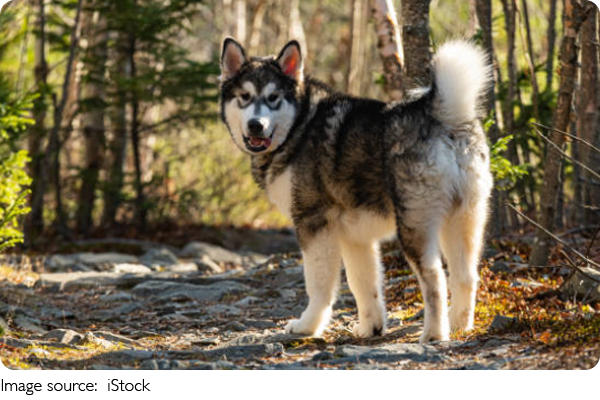
The first move is simple but hugely important: search your home and the immediate area carefully. Pets can be sneaky little magicians. Cats may hide in closets, under beds, inside cabinets, or behind appliances. Dogs may stay close by, tucked into a neighbor’s yard, garage, or porch area. Walk around your neighborhood and call your pet’s name in a calm, familiar voice. Bring a favorite toy or treats, since familiar sounds and scents can work like a lighthouse in fog.
How animals send messages across distance through sound, and why those signals matter so much
A quick look at the many ways animals and other living things help, harm, or rely on one another
A gentle look at how living light works in nature and why so many sea creatures shine
Can zoos truly save wildlife—or are they just cages with a view?
How do polar bears survive icy storms? Their bodies hold amazing winter tricks!
That paper-like sound feels impossible to ignore. But what is really behind this obsession?
Start close to home
Many pets are found surprisingly near where they disappeared. Check under decks, in sheds, bushes, stairwells, and parked vehicles. Ask neighbors if you can look around their property. If your pet is shy or easily startled, avoid turning the search into a noisy parade. A frightened pet may stay quiet even when you are very near. Slow down, listen carefully, and look in tight hiding spots. If your pet slipped out recently, returning to the spot several times during the day can help.
Call shelters and vets
Next, contact local animal shelters, animal control, rescue groups, and veterinary clinics. Give them a clear description of your pet, including species, breed, color, size, age, and any unique markings. If your pet wears a collar or has a microchip, mention that too. Do not rely on one phone call and cross your fingers. Follow up regularly, because new animals can arrive at shelters at any time. If possible, visit shelters in person. Photos help, but in-person checks are often more reliable since descriptions can sometimes be about as precise as saying a cloud looks kind of like a muffin.
Use ID and microchip tools
If your pet is microchipped, contact the microchip company right away and make sure your contact information is current. This step matters more than many people realize. A microchip is only as useful as the phone number and address attached to it. Also report the pet as missing through the company if that service is available. If your pet has ID tags, keep your phone nearby and answer unknown calls for a while. Yes, even the annoying ones. This is one of the rare times when mystery numbers might actually bring good news.
Make clear lost-pet notices
Create flyers with a recent, clear photo and a short description that is easy to scan quickly. Include your phone number and the area where the pet was last seen. Post flyers in your neighborhood and share them with shelters, clinics, groomers, and local community spaces. Online community boards and local social media groups can also spread the word fast. Keep the message direct and readable. A giant block of text is like a messy kitchen drawer. People stop looking before they find what matters.
Be careful with sightings
When someone reports seeing your pet, ask for the exact location, time, and direction the animal was moving. This helps you spot patterns instead of chasing every possible lead like a shopping cart with one wobbly wheel. If your pet is scared, do not rush in loudly. Sit low, use a gentle voice, and tempt them with food or familiar items. Some pets return when the area becomes quiet, especially during early morning or later evening.

Keep checking and do not give up
Consistency is a huge part of the search. Revisit shelters, refresh flyers if weather ruins them, and update online posts with new sightings. Let neighbors know the pet is still missing so they stay alert. If your pet recently came from a shelter or new home, also search around the previous home or familiar route, since some animals try to head back to places they know.
Losing a pet is scary, exhausting, and deeply upsetting, but a steady approach can make a real difference. Search nearby, alert shelters and clinics, use microchip support, post clear notices, and follow up often. Most of all, stay persistent and observant. Your pet is not just missing from the house, they are missing from your daily rhythm, and that is worth every careful step you take to bring them home.