Winter Cat Comfort

Liam Reilly
| 31-08-2026
 · Animal Team
When temperatures fall, we naturally want our cats to feel warm and comfortable. We may add clothing, move their bed closer to a heater, or spend less time playing because the cold makes us want to stay indoors.
These choices come from good intentions, but extra care is not always better care. Our cats already have natural ways to handle cooler weather, so we can focus on simple habits that truly support their comfort.
Clothing Is Not Always Helpful
When we feel cold, putting on a sweater feels natural. That can make us wonder whether our cats would enjoy the same solution. Some of us may choose soft vests or thick outfits, especially when the room feels chilly.
However, a healthy cat already has a natural coat designed to help maintain body warmth. The outer layer helps protect against cool air, while the softer layer underneath holds air close to the body. Adding another layer may actually make some cats uncomfortable.
Simple ways to create a cozy, secure, and cat-friendly home that supports natural resting preferences
Are Cat Whiskers Really Useless? Discover How These Tiny Sensors Help Cats Explore, Communicate, Balance, and Feel Safe!
What Do Rainbow Lorikeets Eat? Their Colorful Diet Is Far More Unusual Than We Might Expect!
Could the Common Kingfisher Really Dive So Fast and Catch Fish With Such Incredible Precision Every Time?
How Do Tiger Cubs Grow Up? Discover Their Amazing Journey From Tiny Cubs to Independent Hunters!
How Do Elephants Remember Water, Family, and Old Paths for Years? Their Memory Is Truly Amazing!
Clothing can also restrict movement if it is too tight around the chest, legs, or shoulders. A cat may struggle to walk, jump, stretch, or turn normally. Some cats may respond by hiding, becoming restless, or refusing to wear the outfit.
For cats with very little fur, young kittens, or older cats that are sensitive to cold, a loose and comfortable layer can sometimes be useful. We should still remove it regularly and allow plenty of free movement.
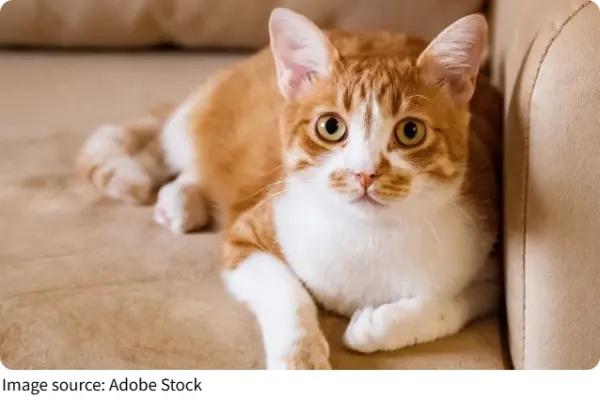
Keep Heat At A Safe Distance
A warm heater can look like the perfect winter resting spot. Cats often enjoy sitting in warm areas, so we may feel that placing their bed right beside a heating device is helpful. However, staying too close for too long can create problems.
A cat may remain in a warm area even after the temperature becomes uncomfortable. Thick fur can also make it harder for us to notice early signs of skin irritation. Long exposure to strong heat may cause skin discomfort or heat-related injury.
Dry indoor air is another concern. Continuous heating can reduce moisture in the surrounding air, which may leave a cat feeling thirstier and cause its skin to become dry.
We can create a safer setup by keeping the resting place around 40 to 50 centimeters away from the heat source, depending on the equipment. Fresh water should always be easy to reach. Maintaining comfortable indoor humidity can also help during dry winter days.
Cold Days Still Need Play
Winter can make all of us less active. We may prefer staying wrapped in a blanket instead of moving around, and our cats may also spend more hours sleeping.
Still, less activity does not mean we should stop playing together. If a cat continues eating while moving much less, its daily energy balance can gradually change. Over time, this may lead to unwanted weight gain and reduced fitness.
We can keep things simple. A few short play sessions can encourage movement without making the cat tired. Chasing a toy, following a moving object, climbing a safe cat tree, or exploring a small indoor play area can all provide useful activity.
Even ten minutes in the morning and another ten minutes later in the day can make winter more interesting. More importantly, these sessions give us valuable time together.
Brushing Still Matters
Regular grooming should also remain part of our winter routine. Changes in the coat can make loose hair more noticeable, while long-haired cats may develop tangles more easily.
Gentle brushing removes loose hair and helps keep the coat smooth. It also gives us a chance to check the skin for dryness, irritation, or unusual areas.
Long-haired cats may benefit from a gentle brushing session each day. Short-haired cats often need brushing around three or four times a week. We can adjust the routine according to the coat and the individual cat.
The process should stay relaxed. A few calm minutes are usually better than forcing a long session when the cat is uncomfortable.
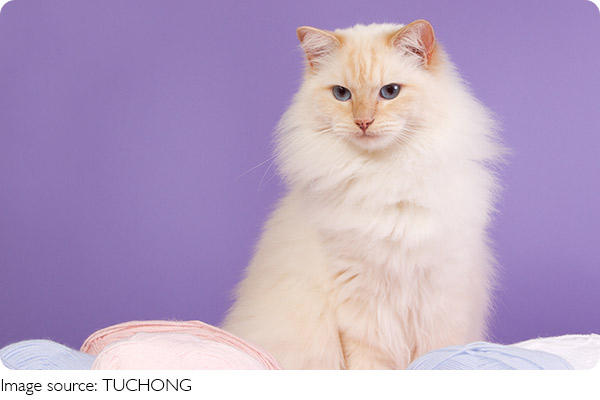
Simple Care Works Best
Lykkers, winter cat care does not need to become complicated. We can provide a cozy resting area, keep heating equipment at a safe distance, encourage daily movement, and maintain regular grooming.
Before adding another layer or changing our cat's routine, we can pause and observe. Is the cat comfortable? Is it moving normally? Is fresh water available? Is the coat clean and free from tangles?
Small choices can make a meaningful difference. When we pay attention to what our cats actually show us, we can help them enjoy a comfortable winter while keeping our daily bond strong. So, Lykkers, which part of your cat's winter routine would you like to improve first?