Choose the Right Sofa

Nolan O'Connor
| 24-08-2026
 · Lifestyle Team
Hi, Readers! A sofa often becomes the center of daily life, so choosing one is less about looks alone and more about how your home actually works.
The right pick depends on who uses it, how often it gets used, and how much room you can truly give it. A compact home, a busy household, and a one-person space each ask for something different.
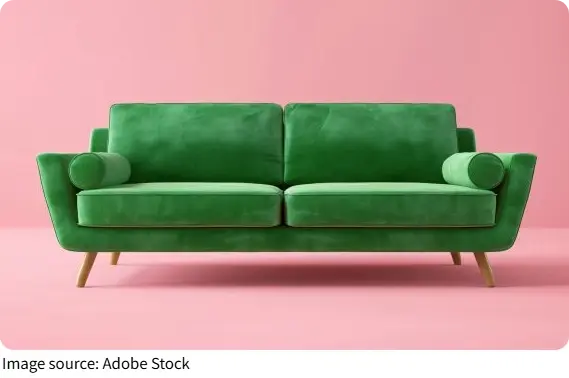
When you sort out size, shape, comfort, and function in that order, the decision becomes much easier.
One of the most useful starting points is to measure your room carefully. A sofa may look balanced in a showroom, yet feel oversized once it enters a tighter layout. It helps to check the full width, depth, and height of the sofa, then compare those numbers with the space available in your living area, entryway, and stair access. Thinking about how people move around the room matters just as much as the sofa itself. If the piece blocks easy movement, it will affect daily comfort no matter how attractive it looks.
Want to refresh an empty corner?! Simple decor ideas can make the space feel cozy and stylish!
Want a calmer kitchen? Simple lines, soft tones, and smart storage can create a dreamy space!
A simple guide to choosing between minimal, natural, and vintage-inspired soft furnishing styles
Use lighting and soft furnishings together to make a room feel warmer, calmer, and more layered.
Simple ways to bring furniture, textiles, and decor together into one calm, cohesive room
Simple curtain color ideas to help each room feel brighter, calmer, cozier, and more pulled together
For small homes
In a small home, every inch needs to work harder. A compact sofa with a slimmer profile usually makes more sense than a deep, oversized design. Look for pieces that provide enough seating without visually crowding the room. Sofas with raised legs can help a room feel more open because you can see more of the floor beneath them. A loveseat, a neat two-seat sofa, or a compact sectional can work well if the proportions match the layout. Storage features or sofa beds can also be especially useful in a smaller home where one piece may need to serve more than one purpose.
It is also worth paying attention to armrests and seat depth. Wide arms may take up valuable space without adding much function. A shallower seat can be more practical in a narrow room, especially when you want to keep a clear walking path. Light colors may help the room feel brighter, though performance fabric can be the more practical choice if the sofa will see heavy daily use.
For large households
A larger household usually needs a sofa that can handle frequent use and more than one activity at a time. In this case, seating capacity becomes a practical priority. A sectional can help gather everyone in one place, while a larger three-seat or modular sofa offers flexibility if the room arrangement may change later. Modular designs are especially helpful because individual sections can often be rearranged as needs shift.
Durability matters just as much as size. A sofa used by several people every day should have supportive seat cushions and a sturdy frame. Removable and washable covers can make maintenance easier, especially in homes where spills and constant use are part of normal life. Fabric choice becomes important here. A durable, easy-care material often makes more sense than a delicate finish that requires extra attention. Comfort should also support different routines, from sitting upright for conversation to stretching out at the end of the day.
For solo living
A one-person home gives you more freedom to choose based on personal habits. If the sofa is your reading spot, a deeper and softer seat may feel ideal. If you often host one or two guests, a tidy sofa paired with a chair may create a more balanced setup than choosing one very large piece. In solo spaces, the sofa can reflect your routine more directly because you are not trying to satisfy several people at once.
This is also where style and comfort can meet in a more personal way. You might prefer a chaise for lounging, a sleeper sofa for occasional overnight guests, or a compact design that leaves room for a desk or dining area. A solo home often benefits from flexibility, so think about what you do most often in the room. Watching shows, reading, working, or simply relaxing all point to slightly different sofa choices.
Material, comfort, and testing
No matter the household type, comfort should be tested with patience. Seat height, back support, and cushion firmness all affect how the sofa feels after more than a few minutes. A sofa that seems soft at first may not give enough support over time, while a firmer seat can sometimes feel better for daily use. Materials also shape the long-term experience. Some covers are easier to clean, some age differently, and some textures feel warmer or cooler depending on the room.
Before deciding, it helps to sit, lean back, and think about how you actually spend time there. Try to match the sofa to your habits rather than to a perfect showroom image. In many homes, the best sofa is simply the one that fits the room, supports everyday life, and stays comfortable through regular use.

In the end, choosing a sofa is really about matching furniture to real living patterns. A small home needs efficiency, a large household needs capacity and resilience, and solo living benefits from freedom and flexibility. Take measurements, review your routine, and focus on comfort that lasts. That way, your sofa will not just fill a room, it will support the way you live every day.