Is a Used Car Worth It?

Chris Isidore
| 08-10-2026
 · Auto Team
Buying a used car can be an appealing alternative to purchasing a brand-new vehicle. The lower purchase price may leave more room in the budget, while buyers can choose from a much wider selection of models and equipment.
Still, a used vehicle comes with a history that needs to be understood before money changes hands. A careful evaluation can help determine whether the savings are worth the potential risks.

The Biggest Advantage Is Price
One of the main reasons shoppers consider used vehicles is the opportunity to spend less than they would on a comparable new model. New vehicles typically lose some of their value as they age, meaning a used buyer may avoid part of the steepest depreciation that occurs earlier in a vehicle's life.
What makes a car truly safe? See which 2026 models stand out in crash and safety testing!
How often are phones involved before crashes? New research suggests official reports miss cases!
Heavy rain can disrupt road networks! Explore how extreme rainfall affects transport and mobility!
How convertible roof design influences comfort, storage, weight, maintenance, and everyday driving
A study of 13,706 Seattle intersections reveals how overlooked street details can distort pedestrian crash predictions.
Could smarter traffic lights make driving safer? New research explores how connected cars help motorists make split-second decisions.
A lower purchase price can also make it possible to move into a higher trim level or a better-equipped model without increasing the budget. Features that were expensive when a vehicle was new may become more accessible on the used market. However, the sticker price should not be the only number considered. Insurance, financing, maintenance, registration, fuel economy, and expected repairs all contribute to the actual cost of ownership.
Vehicle History Matters
A used car's condition depends heavily on how it was treated before reaching the current seller. Two vehicles of the same age and model can have very different histories. Before buying, shoppers should look for documentation showing previous maintenance and ownership. A history report can sometimes reveal important information about previous damage, reported accidents, title status, or other events.
Mileage is another factor worth considering, but it should not be viewed in isolation. A higher-mileage vehicle with consistent maintenance may be a better choice than a lower-mileage car that has been neglected. The goal is to understand the vehicle's story rather than making a decision based on age or mileage alone.
A Professional Inspection Can Help
Even when a vehicle looks excellent during a test drive, problems may not be obvious to an ordinary buyer. Having an independent mechanic inspect the vehicle before purchase can provide another layer of confidence. An inspection may identify worn components, fluid leaks, brake concerns, suspension problems, or other issues that could become expensive later. It can also help a buyer understand which maintenance items may need attention soon.
This step is particularly useful when purchasing from a private seller, although it can also be valuable when considering a vehicle from a dealership. If the seller refuses to allow an independent inspection, that may be a reason to reconsider the purchase.
Consider Certified Used Vehicles
Some shoppers want the lower cost of a used vehicle but prefer additional safeguards. Certified pre-owned programs can provide a middle ground. Vehicles included in these programs generally have to meet specific age, mileage, condition, and inspection requirements set by the manufacturer or selling organization. Depending on the program, buyers may also receive limited warranty coverage or other benefits.
Financing Deserves Attention
The financing terms can significantly affect whether a used vehicle is genuinely affordable. Interest rates, loan length, down payment, and monthly payments should all be considered together. A longer loan may reduce the monthly payment but can increase the total amount paid over time. Buyers should also avoid choosing a vehicle solely because its monthly payment fits a preferred budget.
When a New Car May Make More Sense
Used vehicles are not automatically the better financial choice. A new car may be preferable when a manufacturer offers attractive financing, when warranty coverage is particularly important, or when the price difference between new and lightly used examples is small.
New vehicles also allow buyers to choose the exact color, trim, equipment, and configuration they want. There is no need to compromise based on what happens to be available. For some shoppers, the predictability of a new vehicle and its warranty can justify paying more.
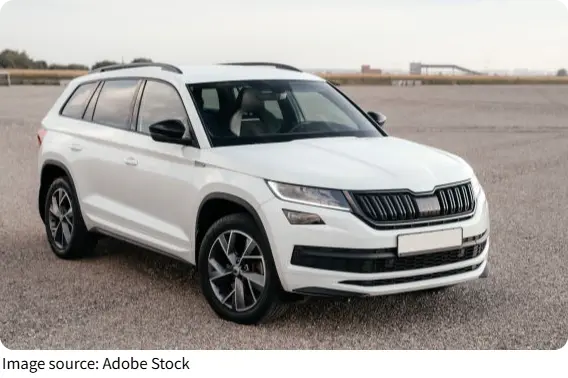
A used car can be a smart purchase when the vehicle's condition, history, price, and ownership costs all make sense. Ultimately, the right choice depends on the individual vehicle rather than simply whether it is new or used. A well-maintained used car can provide excellent value, while a new vehicle may offer advantages that justify its higher price.