Benefits of Maple Trees

Pankaj Singh
| 29-10-2026
 · Plant Team
Maple trees are best known for their brilliant autumn leaves and the sweet syrup poured over pancakes. Yet these familiar trees have a much wider range of uses, from providing shade in gardens to supplying wood for furniture and musical instruments.
Belonging to the genus Acer, maples include more than 100 species found across parts of Asia, Europe, and North America. Their different shapes, sizes, and growing habits make them valuable in landscapes, forests, and everyday life.
The Sweet Truth About Maple Syrup
Maple syrup is one of the most recognizable products made from maple trees. It is produced mainly from the sap of sugar maples, although black maples, red maples, and some other species can also be tapped.
A practical guide to caring for this striking tropical houseplant and its distinctive, textured foliage
Easy to grow and stylish indoors, pothos brings lush greenery with very little fuss!
Growing lotus at home? Get practical tips for water levels, sunlight, planting, and everyday care!
Not every bouquet suits every vase! See how shape, height, and width affect your flowers!
How Long Do Cut Lilies Last in Water? Simple Care Tips That Can Help Keep Them Fresh and Beautiful Longer
A gentle look at how plants attract bees and butterflies to carry pollen from bloom to bloom
In regions with suitable winter conditions, sap is usually collected in late winter or early spring, when temperatures fluctuate around freezing. These temperature changes help create the pressure differences that allow sap to flow.
Producers drill a small hole into a suitable mature tree and insert a spout to collect the clear, mildly sweet sap. The sap is then heated or otherwise concentrated to remove much of its water, producing the thicker syrup.
A commonly cited estimate is that approximately 40 liters of sap are needed to produce one liter of syrup, although the actual amount depends on the sap's sugar concentration.
Maple syrup is used in baking, desserts, sauces, and savory glazes. Its distinctive flavor makes it versatile in the kitchen, although it remains a concentrated source of sugar and is best enjoyed in moderation.
Maple Trees for Shade and Seasonal Color
Many maple species are valued as ornamental trees because of their attractive foliage, branching patterns, and ability to provide shade.
Large species, such as sugar maple and red maple, can develop broad crowns that help cool outdoor spaces by blocking sunlight. Smaller varieties, including many Japanese maples, are often grown for their elegant shapes and decorative leaves.
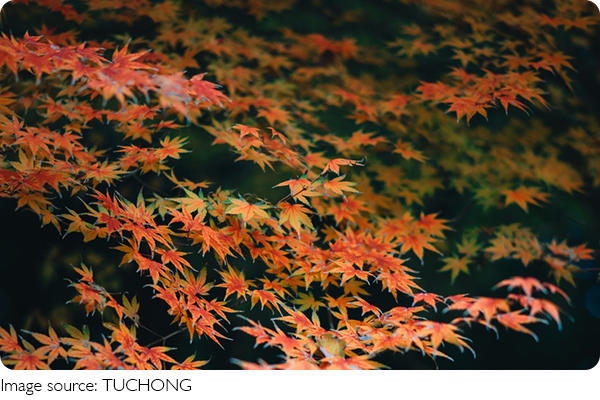
Maples are especially famous for their autumn colors. As daylight decreases and temperatures change, chlorophyll breaks down in the leaves, making yellow and orange pigments more visible. In some species, red pigments called anthocyanins also develop.
The intensity of autumn color depends on the species, weather, and growing conditions. Not every maple produces vivid red leaves, and seasonal color is generally most pronounced in temperate climates.
For home landscapes, choose a species with a mature size that suits the available space. Large maples need sufficient room for their crowns and roots, while compact varieties may be better suited to smaller gardens.
Maple Wood: A Valuable Resource
Maple wood is widely used in furniture, cabinetry, flooring, kitchen utensils, and musical instruments. Its appeal comes from its appearance, workability, and, in some species, considerable hardness.
However, not all maple wood has the same properties. Sugar maple and black maple are commonly classified as hard maples and are particularly valued for durable flooring, butcher blocks, and other surfaces exposed to regular wear.
Other species, such as red maple and silver maple, are generally grouped as soft maples. Their wood is still useful for furniture and interior products, but it is usually less hard than sugar maple wood.
Maple often has a fine, relatively even grain, and some boards display distinctive figuring, such as curly or bird's-eye patterns.
Certain maples are also used in musical instruments. Figured maple is especially popular for violin backs, guitar bodies, and decorative instrument components.
When choosing maple for a project, consider the species, hardness, intended use, and finish rather than assuming all maple performs the same way.
How Maple Trees Support Wildlife
Maple trees contribute to forest ecosystems by providing food, shelter, and habitat for a range of animals.
Their flowers can provide nectar and pollen to insects in spring, while their paired winged fruits, known as samaras, serve as food for some birds and small mammals.
Maple leaves also support the caterpillars of various moths and butterflies. These insects, in turn, become food for birds and other wildlife.
Mature trees offer branches for nesting and resting, while cavities in older trunks may provide shelter for woodpeckers and other animals.
Fallen leaves gradually decompose, returning nutrients to the soil and supporting organisms involved in nutrient cycling.
The ecological benefits vary by species and region. Where possible, planting a maple native to the local area can provide a better match for native insects and other wildlife than introducing a species from another ecosystem.
Choosing and Growing Maple Trees
Maples differ considerably in their growth rates, mature sizes, soil preferences, and tolerance of heat or cold. Selecting the right species is therefore the most important step when adding one to a garden.
Sugar maples generally prefer cooler temperate conditions and well-drained soil. Red maples tolerate a wider range of moisture conditions, while silver maples grow quickly but can develop brittle branches and extensive root systems.
Japanese maples are often selected for smaller gardens and ornamental planting. Many benefit from protection against intense afternoon sunlight, especially in hot climates.
Most maples grow best in soil with adequate drainage and moisture, although their light and soil requirements vary. Newly planted trees need regular watering while their roots establish, particularly during dry weather.
Avoid planting large species too close to buildings, underground utilities, or paved surfaces. Consider their eventual height and canopy spread rather than their size at the nursery.
Mulching around the base can help retain soil moisture and moderate temperature, but keep mulch away from direct contact with the trunk.
Before planting, check whether the species suits the local climate and is not considered invasive in the region. A maple that thrives in one part of the world may struggle or cause ecological problems elsewhere.

Maple trees offer much more than syrup and autumn scenery. Depending on the species, they can provide valuable timber, shade, seasonal beauty, and important resources for wildlife.
Their versatility is also a reminder that choosing the right tree matters. A maple suited to its climate and surroundings can become a lasting feature of a garden or landscape.