Choosing the Right Car Fuel

Arvind Singh
| 15-10-2026
 · Auto Team
Many drivers assume that choosing fuel is as simple as selecting the most expensive option at the pump. In reality, using the correct fuel is about matching your vehicle's design rather than paying more. Fuel with a higher octane rating is not automatically better, and the wrong fueling habits can increase running costs without improving performance.
Once you understand how fuel works with your engine, you can make smarter decisions every time you stop at a station.

Know What Your Engine Needs
The fuel grade listed inside the fuel filler door or in the owner's manual is the best starting point. Engineers determine this recommendation after extensive testing with that specific engine, so the recommended fuel provides the balance of performance, efficiency, and durability the vehicle was designed to achieve.
Can zero-emission trucks and buses reshape European transport? New models are ready, but infrastructure must catch up!
Can smarter power grids save billions? Better planning could cut costs and speed Europe's shift to electric vehicles!
Learn How to Handle Highway Obstacles With Confidence, Control, and Safer Driving Decisions
Electric cars are already cheaper to run than petrol models in Europe, while falling battery prices narrow the purchase gap.
A spare tyre can look untouched yet become unsafe with age, so pressure, condition and manufacturing date all matter.
Regular tyre rotation helps even out tread wear, preserve grip and make a full set last longer without changing how the car drives.
Octane measures a fuel's resistance to engine knock, also called detonation. It does not measure fuel quality, cleaning ability, or energy content. Engines with higher compression ratios or turbochargers often require higher-octane fuel because they operate under greater cylinder pressure.
Engines designed for regular fuel usually gain little or no benefit from a higher grade. John Nielsen, managing director of automotive engineering and repair at the motoring club AAA, said after it tested both grades in engines built for regular that premium gasoline is "higher octane, not higher quality." The tests found no significant gain in horsepower or fuel economy.
Required or Recommended
Vehicle manuals often use different wording. If premium fuel is required, consistently using a lower grade may reduce performance or trigger engine protection strategies. If premium is only recommended, the engine management system on many modern vehicles can adjust ignition timing to operate safely with regular fuel, although some performance or efficiency may decrease.
Occasionally using a different approved octane grade is not the same as consistently using an unsuitable fuel. Before making changes based on internet advice or personal opinions, confirm what your manufacturer specifies for your exact engine.

Build Better Fueling Habits
Good fueling habits involve more than selecting the correct pump. Running extremely low on fuel increases the chance of drawing sediment or contaminants that may have accumulated inside an older fuel tank. Modern fuel systems are designed with filtration, but maintaining a reasonable fuel level is still considered good practice.
For many drivers, refueling when approximately one-quarter of the tank remains provides a comfortable safety margin, especially before long trips. After refueling, make sure the fuel cap is fully secured if your vehicle uses a removable cap.
A loose or damaged cap may trigger an evaporative emissions warning on some vehicles and can allow fuel vapors to escape. If your vehicle has a capless system, keep the filler area clean and free of debris.
If rough idling, warning lights, or unusual engine behavior appear immediately after filling the tank, avoid assuming the problem will disappear on its own. The issue may be unrelated to the fuel, but noting when the symptoms began provides useful information if professional diagnosis becomes necessary.
If you need to carry fuel for equipment or emergencies, always use containers specifically approved for fuel storage and keep them sealed during transport. Avoid storing fuel for long periods unless appropriate stabilizers and storage procedures recommended for that fuel type are followed.
Track Your Fuel Use
Saving receipts on long trips creates a useful record of where and when you refueled. If a vehicle develops problems shortly afterward, this information may help technicians investigate the cause more efficiently. Receipts also make it easier to work out real-world consumption.
Dashboard fuel economy displays provide useful estimates, but calculating consumption over multiple full tanks often gives a more accurate picture. Reset the trip meter after filling the tank, record the distance traveled, then divide the distance by the amount of fuel added at the next refill.
Repeating this process several times produces a more reliable average because weather, traffic, and driving style naturally vary.
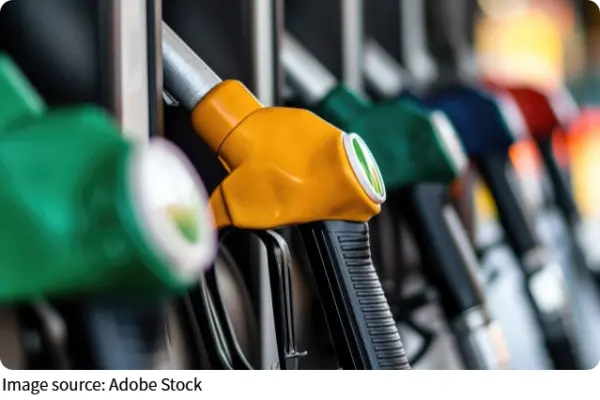
Before your next fill-up, check the grade printed inside the fuel filler door and compare it with what you usually buy. If the two match, there is nothing to change.
Lykkers, the most effective fueling strategy is usually the simplest one: give your vehicle exactly what it needs, no more and no less.