Wingback Chair Style!

Caroll Alvarado
| 28-10-2026
 · Lifestyle Team
Some furniture pieces stand out because of their appearance, while others earn their place through a combination of comfort and character.
The wingback chair manages to offer both. Recognizable by its tall backrest, extended sides, and distinctive outline, this classic seat can bring a sense of structure to contemporary interiors.
What Makes a Wingback Chair Unique?
A wingback chair is distinguished by its high back and side panels that extend forward from the upper portion of the seat. These sides, commonly called wings, give the chair its recognizable profile. The design can feature rounded curves, sharp edges, exposed wooden legs, or a fully upholstered base, depending on the style.
Five ways to turn local rides into short outdoor trips, from relaxed mornings to longer road goals.
Discover clever storage ideas that make even the smallest bathroom feel spacious, stylish and beautifully organised.
After ten years in the same home, these nine forgotten items could be stealing valuable space. Here's what to clear out first.
Can one room be perfect for both relaxing and reading?
Does your living room support the way you actually live?
See how British creative director Laura Jackson mixes vintage fashion, homeware and everyday essentials for a distinctive style.
Traditionally, the extended sides were associated with helping shield the seated person from drafts and heat from nearby fireplaces. Modern versions, however, are designed for a wide range of interiors and everyday uses.
Although the silhouette has a traditional appearance, its proportions make it adaptable. A chair with slim legs and simple upholstery can suit a contemporary living room, while a design with carved wooden details may work better in a more traditional setting.
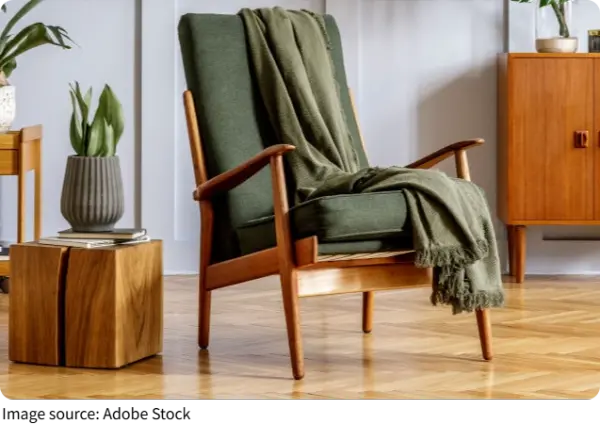
A Classic Shape That Still Feels Current
One reason wingback chairs remain appealing is their ability to add height and definition to a room. Their upright structure creates a visual focal point, especially when surrounded by lower furniture such as sofas, coffee tables, and sideboards.
In a minimalist interior, a wingback chair can introduce character without requiring numerous decorative accessories. Choosing a neutral fabric keeps the overall look understated, while a richer color can give the chair a more prominent role.
Modern interpretations also experiment with proportions and materials. Some feature narrower wings, curved backs, or simplified frames that feel lighter than traditional designs. Others use textured upholstery to introduce depth without relying on elaborate ornamentation.
Finding the Right Spot at Home
A wingback chair can serve different purposes depending on its location. In a living room, it provides additional seating and can help balance the arrangement around a sofa. Positioning it at a slight angle toward the main seating area encourages conversation and creates a more natural layout.
In a bedroom, the chair can form a quiet corner for reading or relaxing. Placing it near a window can make use of natural light, provided the position does not block walkways or interfere with curtains.
Choosing Upholstery and Colors
Fabric and color have a major influence on the chair's overall appearance. Linen-look materials and soft neutral shades can create a relaxed atmosphere, while velvet-style upholstery introduces a richer texture. Durable woven fabrics may be a practical option for frequently used seating.
Color should relate to the other elements in the room. Beige, cream, and gray can blend easily with a restrained palette, while forest green, navy, or rust can provide contrast against lighter walls. Patterns can also give the chair personality. A subtle geometric design or understated stripe may add interest without overwhelming the space. If the room already contains patterned rugs or curtains, a solid-colored chair can help maintain visual balance.
How to Style a Wingback Chair
The right accessories can make a wingback chair feel connected to the rest of the room. A small side table provides a convenient surface for a book or drink, while a floor lamp makes the area more useful for evening reading.
A cushion can introduce a complementary color or texture, but excessive layering may hide the chair's distinctive shape. Keeping the surrounding furniture relatively simple allows its high back and wings to remain visible. Material combinations also help create a balanced interior. Wooden legs pair naturally with wood flooring or a side table, while metal accents can give a traditional chair a more contemporary setting.

The wingback chair continues to suit modern homes because it combines a recognizable silhouette with practical versatility. Choosing the right size, upholstery, and placement is essential to making it work comfortably within a room. With thoughtful styling, this enduring furniture design can provide useful seating and a distinctive finishing touch for years to come.