Nxai Pan Safari Guide

Nolan O'Connor
| 21-10-2026
 · Travel Team
Nxai Pan National Park in Botswana offers a remarkable safari experience across open grasslands, ancient salt pans, and scattered baobab trees.
The park is especially appealing to travelers seeking wide-open landscapes and wildlife encounters away from busier destinations. Its remote setting requires careful preparation, but the scenery and seasonal animal movements make the effort worthwhile.
Discover Nxai Pan’s Unique Landscape
The park forms part of Botswana’s extensive Makgadikgadi landscape, where ancient lakebeds have left broad, pale pans surrounded by grassland and patches of acacia woodland. During the rainy season, fresh vegetation transforms the scenery, attracting grazing animals and creating excellent opportunities for wildlife observation.
A wild Patagonian rainforest offers lush landscapes, rich wildlife, and a quieter side of South America!
Discover Salto Grande Falls, Where Turquoise Lakes and Patagonian Mountain Views Create an Unforgettable Travel Experience!
Dreaming of a Caribbean escape? Explore sandy beaches, vibrant culture, and unforgettable adventures in the Dominican Republic!
What makes Badlands National Park unforgettable? Explore rugged landscapes, unique rock formations, and incredible wildlife!
Want to explore Korea with ease? Find train tips, routes, and smart ways to travel between cities!
Ready for a wild escape? Experience gorilla encounters, rich wildlife, and the beauty of Congo’s untouched rainforest!
Baines’ Baobabs is one of the area’s best-known landmarks. These impressive trees stand beside Kudiakam Pan, creating a striking contrast against the open horizon. The site is particularly photogenic during early morning and late afternoon, when softer light highlights the trees’ distinctive shapes.
Nxai Pan National Park
Look for Wildlife Across the Pans
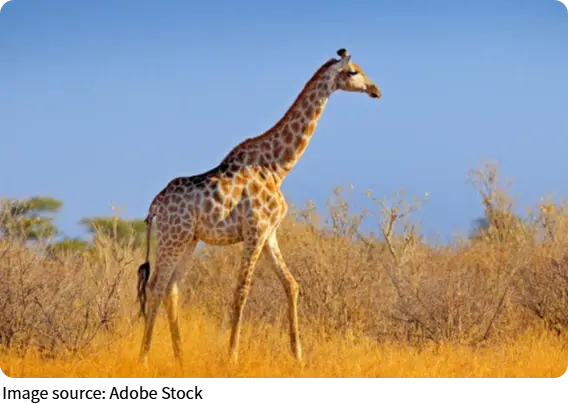
Nxai Pan is known for its seasonal zebra and wildebeest movements. Following summer rainfall, herds may gather where fresh grass is available. Springbok, giraffes, and other grazing animals can also be seen across the open terrain.
Predators, including lions and cheetahs, inhabit the wider landscape, although sightings are never guaranteed. Patient observation is often more rewarding than rushing between locations. A quiet stop near a waterhole may reveal animal behaviour that is easy to miss while driving. Wildlife distribution changes with rainfall, water availability, and grazing conditions. Travelers should ask park staff about recent sightings and road conditions rather than relying on fixed migration schedules.
Choose the Best Season
The green season, generally from December through April, brings rain, fresh grass, and opportunities to observe larger grazing herds. Dramatic skies can also create excellent photography conditions, although thunderstorms may make some tracks difficult to navigate.
The dry season offers a different experience. Water sources become more important to wildlife, while sparse vegetation can improve visibility across the pans. However, temperatures may rise considerably during the hotter months.
Plan Your Journey and Transport
Nxai Pan lies along the Nata–Maun road in northern Botswana. Visitors commonly travel from Maun or Nata, which are useful places to arrange supplies before entering the park. A high-clearance four-wheel-drive vehicle is strongly recommended for independent travel. Deep sand, muddy sections, and changing road conditions can make the access tracks challenging. Carry two spare tyres, recovery equipment, sufficient fuel, food, and water. Do not assume that fuel stations or shops will be available inside the park.
Allow at least two nights for a worthwhile visit. Three nights provide more flexibility for wildlife drives and a dedicated trip to Baines’ Baobabs. Travelers unfamiliar with remote driving may prefer an organised safari with an experienced guide.
Estimated Travel Costs
The following figures are approximate planning estimates. Actual prices depend on the season, booking arrangements, and accommodation type.
Park entry: Approximately US$14 per international visitor per day, based on a reported fee of BWP 190. Confirm the applicable tariff before traveling.
Vehicle fee: Around US$6 per day, based on a reported charge of BWP 75.
Campsite: Approximately US$30 per person per night for basic camping, subject to availability and the operator’s current rates.
Luxury lodge: Nxai Pan Camp has published rates of around US$900 per person sharing per night for selected 2026–2027 dates. Rates generally include accommodation, meals, and selected activities, but inclusions should be confirmed.
Food and supplies: Budget around US$20–40 per day for additional provisions during a self-drive trip.
Travel Responsibly
Nxai Pan’s natural environment requires careful treatment. Stay on designated routes, never feed wildlife, and give animals plenty of space. Avoid driving across soft or wet pans, where vehicles can damage fragile surfaces or become stranded. Campsites may be unfenced, so follow staff instructions, secure food, and never walk around outside permitted areas after dark. Check current restrictions concerning fires, camping, and access to individual tracks before setting out.
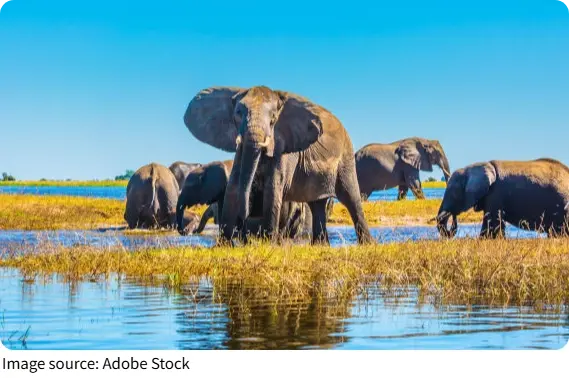
Nxai Pan National Park combines expansive desert scenery, seasonal wildlife, and remarkable baobab trees in a remote corner of Botswana. With a suitable vehicle, enough supplies, and realistic expectations, visitors can enjoy a memorable safari at their own pace. Whether watching grazing herds in fresh green grass or photographing ancient trees beneath an open sky, the park rewards travelers who appreciate nature and allow time for unexpected encounters.