Clivia Bloom Secrets
Arvind Singh
| 22-10-2026
 · Plant Team
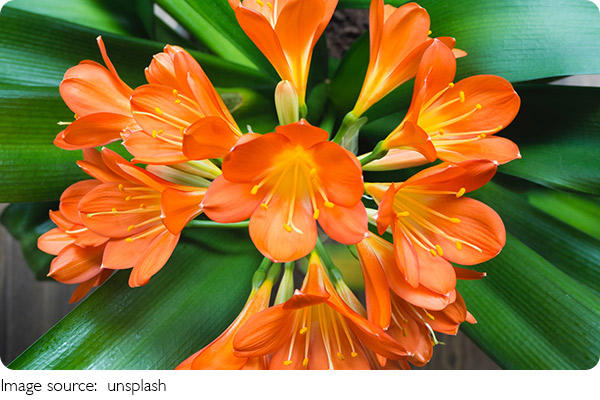
Dear Lykkers, does your Clivia grow plenty of green leaves but produce no flowers? This popular houseplant is loved for its thick, glossy foliage and clusters of bright blooms. However, healthy leaves do not always mean flowers will appear.
Light, temperature, watering, feeding, and soil conditions all play important roles. Let’s explore four practical ways we can help our plants stay healthy and bloom more regularly.
Provide the Right Amount of Light
Clivia needs enough light to produce energy and develop flower buds, but strong direct sunshine can scorch its leaves. Bright, indirect light is usually the best choice. An east-facing window often works well, while a south-facing window may need a light curtain during sunny hours.
Can scientists create a truly blue rose? A new pigment breakthrough brings this floral dream closer!
A chance photo helped scientists locate a rare giant water lily in Colombia, with few plants left in the wild!
Eight-year study: sunlight, recycled nutrients, smarter greenhouses can transform sustainable food production.
Scientists found why some ecosystems thrive despite environmental threats, offering lessons for protecting nature.
Want elegant blooms in your garden? Learn how to grow calla lilies with lush leaves and vibrant flowers!
White Tulips Hold Beautiful Meanings of Pure Love, Forgiveness, Respect, Elegance, and Memories That Stay With Us
In spring and autumn, aim for around four to six hours of suitable indirect light daily. During summer, reduce exposure to strong sunshine to prevent yellow patches and dry leaf edges. In winter, move the plant closer to a bright window if daylight becomes limited.
If your room lacks natural light, a plant-growing lamp can help. Follow its instructions for distance and daily use. We should also turn the planter about 180 degrees every seven to ten days. This simple habit helps both sides receive light and encourages the leaves to grow evenly.
Manage Day and Night Temperatures
Temperature changes can influence flower development. Clivia generally prefers moderate conditions, and a cooler night can help a mature plant prepare to bloom.
During the flowering preparation period, try to maintain daytime temperatures of 20 - 25°C and nighttime temperatures of 10–15°C when practical. A difference of around 8–10°C may encourage bud formation, although the result also depends on the plant's age, variety, and growing conditions.
We can place the plant near a bright window where temperatures change naturally. However, keep it away from cold drafts and sudden temperature drops. In summer, improve airflow and protect the leaves from excessive heat. Avoid placing it directly beside heating or cooling equipment, as rapid changes may cause stress.
Water Wisely and Feed Gently
Clivia has thick roots that store moisture, so constantly wet soil can cause root rot. Rather than watering on a fixed schedule, check the soil first. Insert a finger or wooden stick about two to three centimeters into the mix. If it feels dry, water thoroughly until excess moisture flows through the drainage holes.
Empty the saucer afterward, and avoid pouring water into the center where the leaves meet. Trapped moisture can damage the growing point. During cool weather, water less frequently because the soil takes longer to dry.
Feeding also affects flowering. During active growth, use a balanced liquid fertilizer according to the package directions. As the flowering period approaches, a suitable formula containing phosphorus and potassium can support bud development. Avoid excessive feeding, since too much nitrogen may encourage leaf growth without improving flowering.
Never use fresh kitchen scraps as fertilizer. They can decompose in the container and harm the roots. Apply diluted fertilizer to moist soil, and avoid letting the solution collect around the leaves.
Choose Loose Soil and the Right Container
Clivia grows best in loose, well-draining soil that allows air to reach the roots. One possible mix combines five parts leaf mold, three parts pine-needle compost, and two parts coarse sand. A quality potting mix for flowering houseplants can also work if it drains well.
Repotting every one to two years is often suitable, depending on growth. Spring and autumn are convenient seasons because temperatures are usually moderate. Choose a container only two to three centimeters wider than the root mass. An oversized container may retain too much moisture.
To repot, gently remove the plant and loosen the old soil. Trim damaged roots with clean tools, then position the plant in fresh mix. Cover the roots while keeping the base at an appropriate depth. Water thoroughly and place the container in a bright, sheltered area for seven to ten days while the plant adjusts.
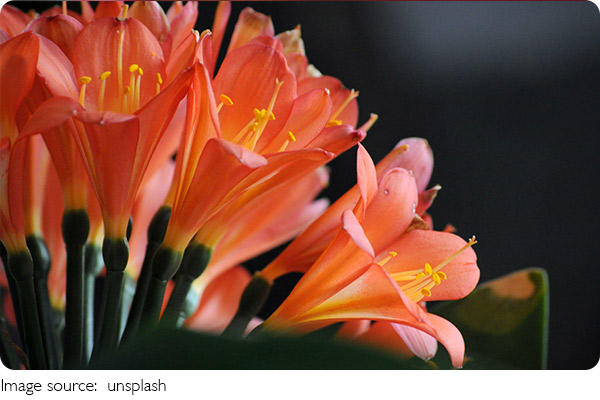
Dear Lykkers, growing Clivia successfully is all about balance. Provide suitable light, allow moderate day-night temperature changes, water carefully, feed lightly, and maintain healthy soil. Remember that young plants may need several years to mature before flowering, so patience matters too.
Which of these four care tips will you try first? Share your experience with us and let us know whether your Clivia has produced flowers this season. With steady care and suitable growing conditions, we can enjoy glossy green leaves and beautiful blooms year after year.
🌸 Bring Your Clivia Back to Bloom with Hubert the Gardener 🌿
Video by Rustica Gardening