Wadi Rum, Simplified

Liam Reilly
| 26-10-2026
 · Travel Team
Hello, and welcome. Most people treat Wadi Rum as a quick photo stop on the way to Petra, a couple of hours in a jeep and back on the bus. Do that and you'll miss the whole point.
This valley in southern Jordan is big enough to swallow a day of driving and still leave sandstone arches you never reached, and the part most visitors remember isn't a viewpoint at all. It's the quiet after the engines stop.

Why the valley earns a night
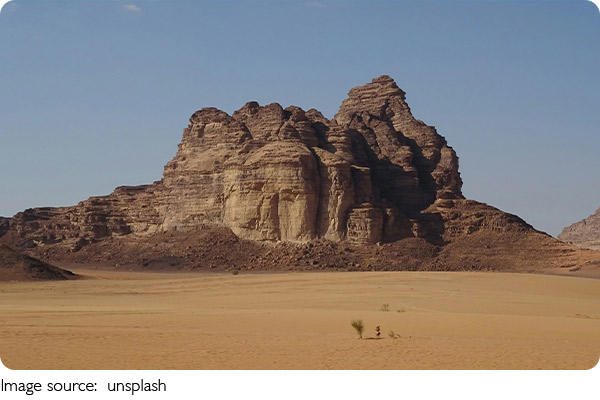
Wadi Rum is a protected area of roughly 720 square kilometers, and the scale is the thing that surprises people. You can drive for forty minutes between two landmarks and pass maybe one other vehicle. Lawrence's Spring, the narrow Siq al-Barid, and the Burdah Rock Bridge each sit in different corners of the reserve, so a half-day tour covers two of them at most.
Explore Iceland’s Colorful Highlands, Volcanic Mountains, Snow-Capped Summits, and Scenic Hiking Trails
Explore Indonesia’s Turquoise Lagoons, Spectacular Coral Reefs, Panoramic Island Views, and Traditional Coastal Life
Discover Chile’s Spectacular Geysers at Sunrise and Explore the Extraordinary Landscapes of the Atacama Desert
How to trace T.E. Lawrence's desert landmarks across Jordan, from Wadi Rum to Aqaba.
Five T20Is, two fierce rivals! Which side has the stronger record and winning momentum?
Before You Leave Port Zante, Make Sure You've Seen These 7 Incredible Places!
Stay overnight and you get the second morning, which is when the light on Jebel Khazali turns the cliffs a deep rust color and the tour groups have already gone.
Choosing a camp that fits you
Camps here split into two rough types. The basic desert camps run about $40 to $70 per person per night, usually with dinner and breakfast included, shared bathrooms, and tents that are really heavy blankets over a frame. The bubble and luxury camps sit closer to $150 to $300 a night and add private bathrooms, proper beds, and heating in winter. Neither is automatically better.
A basic camp in the quiet Wadi Rum Village area gives you a more honest night, and the luxury camps near the Disi road are warmer in January when desert temperatures drop close to freezing after dark.
Wadi Rum Protected Area
Getting there and moving around
The visitor center sits on the main Desert Highway about 15 minutes outside the village, and that's where your entry fee is paid, roughly $7 for a day pass and around $12 for two days. Most travelers arrive by car or taxi from Aqaba, which takes about an hour, or from Petra, closer to two hours. Inside the reserve you don't drive your own vehicle unless it's a 4x4 and you know the tracks.
Camps arrange jeep tours at around $50 to $80 for a half day per vehicle, and the drivers double as guides to the petroglyphs at Khazali and the red sand dunes near Al Hasany.
Timing your days and your booking
Book your camp at least a few days ahead in spring and autumn, when the weather is best and the good spots fill. Summer afternoons hit 40C, so tours run early morning and late afternoon with a long rest in between. Winter days are mild but nights are cold, and a camp with heating is worth the extra money.
Allow two nights if you want one full day of jeeping plus one slow morning, and keep a buffer before your flight out, since the drive back to Aqaba can stretch if the road is busy.
What to actually pack
Bring a headlamp, because camp lighting is minimal and the walk to the bathroom at 2 a.m. is dark. A light scarf handles sun and blowing sand on the jeep rides, and closed shoes beat sandals on the rock scrambles at Burdah. Cash matters too. Many camps and drivers prefer it, and there's no ATM inside the reserve, so draw dinars in Aqaba or Petra before you arrive. A power bank is worth the weight, since charging points in basic camps are shared and limited.
The single thing worth remembering is that Wadi Rum rewards a slower pace than most itineraries allow. Give it two nights, book the camp before you arrive, and let one morning go unplanned. You'll come back with the part everyone misses.