Ireland's Gentle Giants

Caleb Ryan
| 26-10-2026
 · Travel Team
Ireland's dramatic Atlantic coastline offers one of Europe's most extraordinary wildlife experiences. Every year, enormous basking sharks gather in the waters off the country's western and south-western shores, sometimes swimming remarkably close to beaches and rocky headlands.
Despite their intimidating size, these endangered animals are harmless filter feeders. Their seasonal visits have made Ireland an increasingly attractive destination for travellers hoping to observe marine wildlife in its natural habitat.
Why These Giant Sharks Visit Ireland
Basking sharks are the world's second-largest fish, reaching lengths of approximately 10 metres.
Unlike predatory sharks, they feed on tiny marine organisms, including copepods and other zooplankton.
Discover Lake Titicaca’s extraordinary islands: ancient weaving traditions, breathtaking landscapes and local hospitality.
Just outside Paris, a former industrial island is becoming a cultural destination with galleries, architecture and riverside views.
Beyond the famous cities: six extraordinary Brazilian escapes with tropical beaches, wildlife and unforgettable scenery.
A Mediterranean island is now a top digital nomad destination, with beautiful beaches, easy travel and attractive living.
Explore Indonesia’s Turquoise Lagoons, Spectacular Coral Reefs, Panoramic Island Views, and Traditional Coastal Life
Explore colorful historic streets, charming squares, and breathtaking Carpathian views in Brașov, Romania
Ireland's shallow coastal waters attract large concentrations of plankton, providing excellent feeding opportunities.
The sharks often travel slowly near the surface with their enormous mouths open, filtering food from seawater.
Their movements make them unusually visible, sometimes allowing visitors to spot them directly from coastal viewpoints.
Where To See Basking Sharks
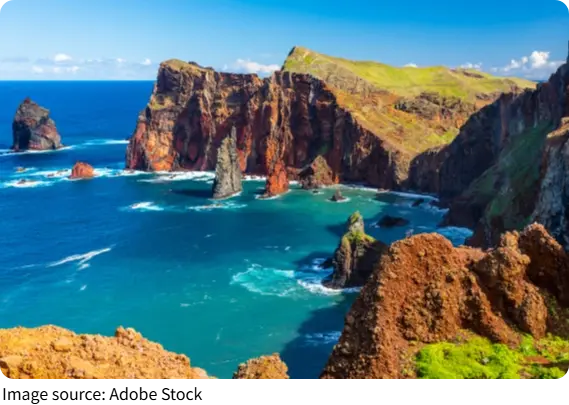
Achill Island in County Mayo is among Ireland's most promising destinations.
Keem Bay, surrounded by steep cliffs and spectacular coastal scenery, offers excellent opportunities for watching marine life from land.
The nearby Mullet Peninsula is another popular location for guided boat excursions.
Further south, the waters around the Blasket Islands in County Kerry attract seasonal visitors.
County Donegal also provides rewarding wildlife-watching opportunities, particularly around Donegal Bay and the impressive Sliabh Liag Cliffs.
Achill Island
When Is The Best Time To Visit?
Basking sharks usually appear along Ireland's Atlantic coast between April and early July, with another period of sightings during August and September.
May and June are particularly promising months because large numbers of sharks gather to feed on plankton. However, sightings depend on weather, water conditions and food availability.
Even during the best months, encountering these wild animals cannot be guaranteed.
Visitors may also observe dolphins, seals, seabirds and occasionally minke whales.
How Much Do Boat Tours Cost?
Wildlife excursions vary in price depending on location, duration and the type of vessel.
On Achill Island, a dedicated two-hour basking shark and wildlife excursion costs approximately €60 per person.
A shorter coastal wildlife safari is available for around €45.
From Blacksod in County Mayo, boat excursions generally cost €40–€60 per adults, with children's tickets ranging from €25 to €45.
In County Donegal, a coastal boat trip beneath the Sliabh Liag Cliffs costs approximately €28 for adults, €16 for teenagers and €10 for younger children.
Advance booking is recommended, particularly during the summer.
Why Protecting The Sharks Matters
Basking sharks were once heavily hunted for their oil-rich livers and valuable fins.
During the mid-20th century, Achill Island became a major centre for the industry.
Overfishing contributed to substantial population declines, and the species is now classified as endangered worldwide.
Ireland introduced legal protection for basking sharks in 2022.
Responsible boat operators follow guidance intended to minimise disturbance, including maintaining appropriate distances and avoiding interference with feeding animals.
Planning A Responsible Wildlife Trip
A visit to Ireland's western coast can combine marine wildlife watching with beautiful beaches, coastal walks and scenic villages.
Travellers should bring waterproof clothing, warm layers and binoculars, as Atlantic conditions can change quickly.
Watching from shore is an excellent alternative to a boat excursion, especially around Keem Bay.
For visitors fortunate enough to encounter a basking shark, watching one of the ocean's largest fish glide through clear Atlantic water can become an unforgettable highlight of an Irish holiday.