Giraffe Tongue Secrets

Caroll Alvarado
| 02-11-2026
 · Animal Team
Lykkers, when we think of giraffes, we usually picture their long necks, tall bodies, and graceful steps. But have we ever wondered about another remarkable feature hidden inside their mouths?
A fully grown giraffe's tongue can reach about 50 centimeters long. This unusual feature helps it gather food, clean certain parts of its body, and cope with hours under the African sun. Let's explore how this flexible tongue supports everyday life.
Reaching Leaves Among Sharp Thorns
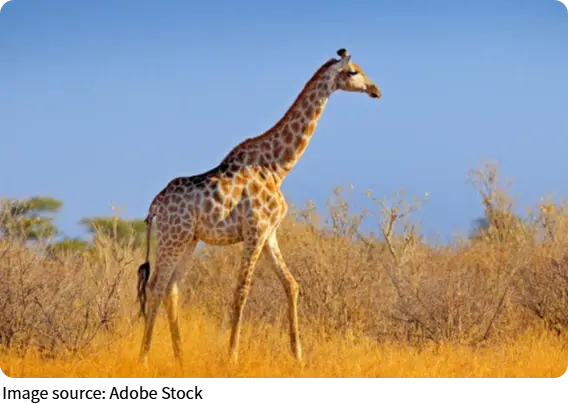
Finding food on African grasslands can be challenging. Many low-growing plants are within easy reach of smaller plant-eating animals, while giraffes can feed on leaves high above the ground. Acacia trees provide an important food source, but their sharp thorns make feeding difficult.
Why Do Rhinos Love Mud Baths?
Discover What Makes This African Mammal So Special
How Elephants Swim With Their Massive Bodies and Use Their Trunks to Breathe Beneath the Water Surface
How Springboks Leap High, Run Fast, and Survive in Dry African Landscapes With Remarkable Natural Adaptations
Learn how meerkats evolved to overcome the harshest conditions
But how can such bulky birds run so fast? Explore what makes them speedy runners
A giraffe's long tongue helps solve this problem. It is strong, flexible, and able to curl around small branches. As the animal feeds, it uses its tongue and lips to pull leaves away while avoiding many sharp points. This allows it to collect tender leaves from places that other animals may find difficult to reach.
The tongue and the inside of the mouth also have tough surfaces that help protect them during feeding. Although thorns can still cause injuries, these protective tissues help giraffes handle prickly plants. Reaching high branches also allows them to use a food supply that many ground-feeding animals cannot easily access.
A Useful Tool for Personal Cleaning
We may not expect a tongue to be useful for cleaning, but a giraffe's impressive reach can help with certain grooming tasks. Its flexible tongue can reach parts of the face and head that would otherwise be difficult to access. This helps the animal remove small pieces of dirt and other material from areas around its mouth and nose.
A giraffe's tall body poses special challenges for grooming. Its long legs and neck can make some movements less convenient than they are for smaller animals. A flexible tongue offers another way to reach certain areas without relying entirely on its legs.
However, the tongue cannot reach every part of the body. Giraffes also use other movements and rubbing behaviors to care for themselves. Even so, its length and flexibility make it a useful feature for everyday grooming.
Why Is the Tongue So Dark?
Have you noticed that a giraffe's tongue often looks dark blue, purple, or almost black? Unlike the pink tongues commonly seen in many animals, this deep color makes the giraffe stand out.
One possible benefit of dark pigmentation is protection from sunlight. Giraffes spend long periods feeding outdoors, often extending their tongues around leaves. When parts of the tongue are exposed to direct sunlight, darker pigmentation may help reduce the effects of ultraviolet radiation.
This does not mean that the dark color prevents all forms of sun damage. Instead, it may offer a useful advantage during repeated feeding in bright conditions. Along with the animal's other physical features, this pigmentation shows how different traits can support life in an open environment.
Is the Long Tongue Made for Drinking?
Some people assume giraffes have long tongues mainly to help them drink water. In reality, feeding is a much more important function.
Drinking presents a different challenge for these tall animals. To reach water on the ground, a giraffe generally spreads its front legs and lowers its head and neck. This position requires careful balancing because the animal needs to keep its body steady while remaining aware of its surroundings.
A long tongue does not remove the need to lower the head toward the water. Instead, it is especially useful for gathering leaves, moving around branches, and reaching certain areas during grooming. Drinking is not the main reason giraffes have such long tongues.
How Every Feature Supports Survival
When we look at a giraffe's tongue as a whole, several useful features become clear. Its length helps the animal reach leaves high in trees. Its flexibility makes it easier to gather food, while tough tissues help it cope with prickly plants. Dark pigmentation may also offer some protection during prolonged exposure to sunlight.
These features work together with the giraffe's long neck and specialized feeding habits. Its height helps it reach higher branches, while its tongue allows it to collect leaves more effectively. Together, these traits help the animal find food in its natural surroundings.
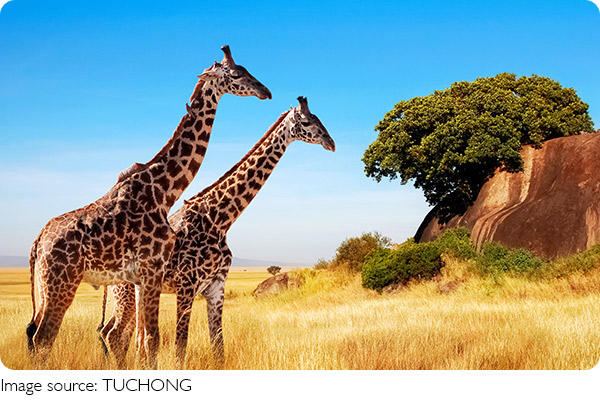
Lykkers, the next time we see a giraffe extending its dark tongue to gather leaves, we can appreciate more than its unusual appearance. A tongue reaching nearly half a meter helps with feeding and certain grooming tasks, while its flexible structure makes collecting leaves among thorny branches easier.