Namib-Naukluft Park Guide

Naveen Kumar
| 03-11-2026
 · Travel Team
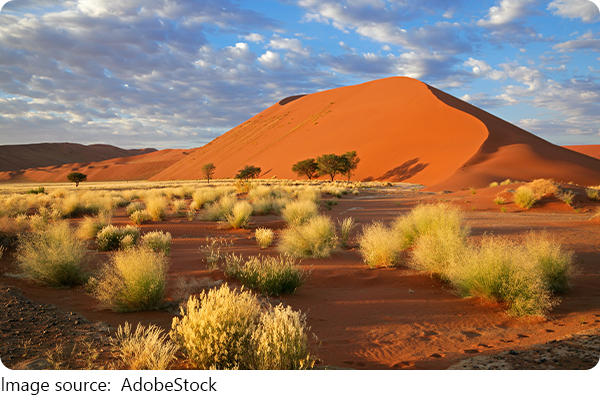
Most people picture one thing when they hear Namib-Naukluft: the rust-red dunes at Sossusvlei. That image is real, and it's worth the trip.
But the park is far bigger than that one postcard. This guide covers what lies beyond the famous dunes, how to get there, when to go, what a visit costs, and how to plan around the heat and the long distances.

What the park actually holds
At roughly 49,000 square kilometers, Namib-Naukluft is the largest national park in Namibia, and most visitors see maybe five percent of it. The dune sea near Sossusvlei draws the crowds, and some dunes there climb past 300 meters, with Big Daddy among the tallest in the world.
Drive north, though, and you reach the gravel plains around the Naukluft mountains, where the landscape changes completely. The Naukluft section has hiking trails, deep gorges, and pools that hold water long after the rains. Different park, same name, and most people skip it.
Discover a charming Alpine town with dramatic mountain trails, ancient gorges and affordable attractions away from the tourist crowds.
Discover turquoise lakes, waterfalls and forest trails in one of Croatia’s most beautiful national parks, plus prices and tips.
Discover towering icebergs, Arctic mountains and thrilling outdoor adventures in one of Earth’s most extraordinary places.
Discover breathtaking Caucasus trails, ancient mountain villages and unforgettable hiking adventures, with practical tips and prices.
Explore Sweden: waterfalls, Arctic mountains, forests, national parks and travel costs.
Ready to explore Africa's wilderness? Find Botswana's iconic wildlife and spectacular landscapes!
Getting there and getting around
The gateway town is Sesriem, about a 4 to 5 hour drive from Windhoek on mostly gravel roads. From the Sesriem gate, about 60 kilometers of tar road lead to the 2x4 parking area, and the last 5 kilometers to the Sossusvlei pan are deep sand.
A 2WD sedan can handle the main route in dry conditions, but you'll want a 4WD for that sand stretch, or you can park and take the park shuttle. A ban on self-driving this stretch took effect on 1 May 2026 and was withdrawn the next day, so check the current rule before you go.
Fuel up in Solitaire, about 85 kilometers north, or in Sesriem, next to the outer gate. There's no fuel inside the park, and cell signal drops fast once you pass the gate.
Namib-Naukluft National Park
Timing shapes everything
The outer gate at Sesriem opens at sunrise, and that's not a suggestion. Dune shadows are longest and the light is softest in the first hour, and by mid-morning the heat builds fast. Guests staying inside the outer gate can pass the inner gate an hour before sunrise, which puts them on the dunes first.
Summer temperatures regularly push past 40°C, so most people do their walking before 10am. Book accommodation in Sesriem months ahead if you're visiting between June and September, when the dry winter season brings the clearest skies and the busiest campsites.
What it costs
Since 1 April 2026, park entry for international visitors is N$280 (Namibian dollars) per person per day, plus a small fee per vehicle. The fee covers 24 hours from the moment you enter, so two days in the park means paying twice. The shuttle into Sossusvlei last cost N$250 per person for the return trip.
Sesriem Campsite charges N$670 per person in 2026. Sossus Dune Lodge, inside the park gate, costs from N$4,030 per person sharing in the low season and N$7,000 between July and October, with dinner and breakfast included. Dead Valley Lodge is another option in the area. Carry cash for the gate; card machines aren't reliable out there.
Two stops worth the detour
Deadvlei is the one people photograph most: a white clay pan scattered with dead camel thorn trees that haven't decayed in centuries because the air is too dry. Walk the 1 kilometer from the parking area early, about 10 to 20 minutes with no shade, and you'll have it mostly to yourself.
Then there's Sesriem Canyon, a narrow 30 meter deep gorge near the entrance gate. It takes 30 minutes to walk through and almost nobody bothers. Their loss.
Planning around the heat and distance
Bring at least 3 liters of water per person per day, a wide-brim hat, and shoes that won't fill with sand on the dune climb. Top off water at the Sesriem fuel station too. If you're driving yourself, check your spare tire before leaving Windhoek; the gravel roads chew through tires, and help can be an hour away.
Namib-Naukluft rewards people who slow down and look past the famous dunes. Give yourself two nights minimum, start early every day, and leave room for Sesriem Canyon and the Naukluft trails.