Winter Tires in Focus

Finnegan Flynn
| 12-11-2026
 · Auto Team
As temperatures begin to fall, winter tire preparation becomes an important consideration for drivers in colder regions.
Changes in road conditions can affect how vehicles accelerate, steer, and brake, making tire selection an essential part of seasonal vehicle care.
Winter tires are specifically designed to perform in cold conditions, with specialized rubber compounds and tread patterns that help maintain traction on snow-covered and icy surfaces. As seasonal temperatures change, more drivers are considering the benefits of switching from regular tires to winter-specific options.
Why Winter Tires Matter in Cold Weather
Specialized Rubber for Lower Temperatures
One of the main differences between winter tires and regular tires is their rubber composition. Winter tire compounds are designed to remain more flexible in low temperatures, helping the tire maintain contact with the road.
How body-on-frame and unibody engineering influence off-road capability, driving comfort, durability, and everyday performance
Smarter Braking and New Safety Technology Are Shaping Europe's Next Generation of Cars and SUVs
Professional Car Care Tips to Preserve a Brilliant Finish and Maintain a Pristine Appearance
Brakes fade on long descents. Here is how to let the engine hold your speed and save your brakes.
How Modern Door Handles Balance Elegant Styling, Intuitive Controls, and Reliable Emergency Access
Where to look, when to dim your beams and how clean glass helps your eyes cope with headlights after dark.
By comparison, summer and some all-season tire compounds become less flexible as temperatures fall. This can influence grip, steering response, and braking performance, particularly on cold surfaces.
A commonly used guideline is to consider winter tires when temperatures consistently fall below 7°C, although the ideal timing depends on local weather and driving conditions.
Tread Design Supports Better Traction
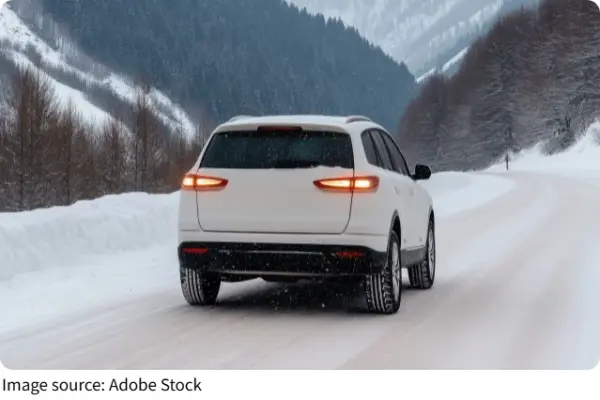
Winter tires feature distinctive tread patterns with deeper grooves and numerous small cuts known as sipes. These features help the tire maintain traction on snow-covered roads by creating additional gripping edges.
The grooves also help manage loose snow and slush, while the tread design supports more consistent contact with changing road surfaces.
For drivers who regularly encounter severe winter conditions, the three-peak mountain snowflake symbol can help identify tires that meet specific snow-traction performance requirements.
Choosing the Right Time to Switch
Seasonal temperature patterns are more useful than relying on a particular calendar date. Drivers should monitor local weather forecasts and consider their usual travel conditions when deciding when to install winter tires.
Changing tires before consistently cold weather arrives also allows time to arrange installation and check that the selected tires match the vehicle's specifications.
Drivers should consult their vehicle manuals and tire information labels before purchasing replacements to confirm the correct size, load rating, and speed rating.
Why All Four Tires Matter
Installing winter tires on all four wheels helps maintain balanced traction and predictable vehicle handling. Using different tire types across the vehicle can create uneven grip, affecting steering response and stability.
The condition of each tire also matters. Adequate tread depth helps maintain traction, particularly on snow-covered surfaces. Drivers should regularly inspect the tread and look for visible damage or uneven wear.
Winter Tire Maintenance and Preparation
Proper maintenance helps winter tires deliver consistent performance throughout the season. A few practical checks can make seasonal preparation easier:
- Check tire pressure regularly, following the vehicle manufacturer's recommended specifications.
- Inspect tread depth and look for uneven wear.
- Examine tire sidewalls for visible damage.
- Ensure all four tires are suitable for the vehicle.
- Arrange professional installation when necessary.
- Store seasonal tires in a clean, cool, dry location away from direct sunlight.
- Recheck tire pressure as outdoor temperatures change.
Cold weather can reduce tire pressure, so regular checks are particularly important during seasonal temperature changes.

What Drivers Should Expect This Winter
Winter tires are becoming an important consideration as colder conditions approach in regions that experience seasonal snow and ice. Their specialized construction offers advantages in low temperatures, while appropriate tread design supports traction on winter road surfaces.
Choosing suitable tires, maintaining their condition, and preparing a vehicle before seasonal weather changes can contribute to more controlled and comfortable journeys. Winter tires are an important part of vehicle preparation, helping drivers make informed decisions as road conditions change.