Pineapple Nutrition

Caleb Ryan
| 18-11-2026
 · Food Team
Fresh pineapple is sweet enough to serve on its own, but it works just as well alongside a savory meal. It also brings more to the plate than sugar and juice.
What you get depends in part on how you eat it. The chunks retain the fiber that juicing leaves behind, and fresh pineapple behaves differently from canned fruit in the kitchen.

Vitamin C
A cup of fresh pineapple chunks has roughly 80 calories and contains 78.9 milligrams of vitamin C. That makes it a good source of the vitamin, which supports normal immune function, but a cup doesn't cover everyone's daily needs. Pineapple also contains vitamin B6, folate, and potassium.
According to Sarah Rivenburgh, a registered dietitian at OhioHealth Mansfield Hospital, the vitamin C in pineapple helps the body absorb iron from plant foods. If you're serving lentils or spinach, you can put a few slices on the side or serve the pineapple as dessert with the same meal.
Learn how to fold butter into dough and tell when the shaped pastries are ready to bake.
The juice from sugared strawberries doubles as a syrup to brush over the sponge.
Steam loosens microwave splatters, while citric acid helps lift hard-water marks on suitable surfaces.
Cold butter keeps the center tender, and a honey-vanilla glaze adds a sweet finish.
Canned pie filling and a pourable batter make this a warm fruit dessert without a pastry crust.
Refrigeration keeps leftovers ready to cook, while drying and freezing give you options for later meals.
How Bromelain Works
Bromelain is a group of enzymes found in the pineapple plant, including in the stem and the fresh fruit. It breaks down proteins. Researchers have studied bromelain for effects on swelling, but that's not the same as showing that eating a few slices reduces swelling or improves digestion.
The effect is easier to see in the kitchen. Fresh pineapple juice can tenderize chicken in a marinade by breaking down some of its proteins. Leave it in the marinade too long, though, and the surface can turn mushy. Canning uses heat that deactivates bromelain, so canned pineapple won't tenderize meat the same way.
Fiber and Natural Sugars
A cup of fresh chunks delivers about 2 grams of fiber. Fresh pineapple is also about 86 percent water by weight. The fiber is in the flesh, so if you want to keep it, eat the chunks or blend them whole rather than straining out the pulp.
Whole pineapple and pineapple juice both contain natural sugars, but juice generally raises blood sugar faster than whole fruit. If you're managing blood sugar, choose a portion that fits your meal plan rather than assuming a cup is right for everyone. When buying canned pineapple, look for fruit packed in juice or water rather than syrup.
Why Fresh Pineapple Can Tingle
Fresh pineapple is acidic, and its acidity and bromelain can leave your mouth feeling tingly or sore after several slices. If you notice mild irritation when eating it on its own, try a smaller serving with plain yogurt. The dairy can take some of the edge off.
Choosing a Pineapple
Don't judge by color alone. Look for fresh leaves and a fruit that feels heavy for its size. A ripe pineapple should smell sweet at the base and give slightly when pressed, without feeling soft in spots. Skip any with a sour smell.
Choose a pineapple that looks ready to eat rather than buying a hard one and waiting for it to sweeten at home. Unlike some other fruits, pineapple doesn't get sweeter after it's picked. If you're only making a snack, precut chunks save you from trimming a whole fruit.
Cutting and Storing Pineapple
Rinse and scrub the outside under running water before cutting. Slice off the crown and base so the pineapple stands flat on the board. Trim away the peel, quarter the fruit lengthwise, and cut away the firm core before slicing the flesh into chunks.
A whole pineapple can stay on the counter for a couple of days. Once you cut it, refrigerate the chunks in a sealed container and use them within three days for the best flavor. If you've cut more than you can eat, freeze the chunks on a tray before transferring them to a freezer bag.
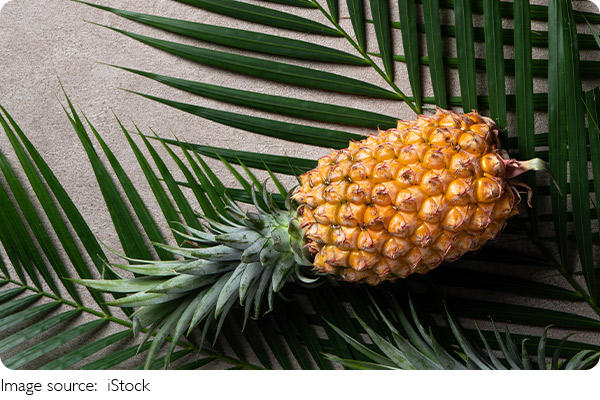
For a savory side, grill thick pineapple slices until they brown at the edges. The heat brings out their sweetness, and you can serve them warm rather than waiting for them to cool.