Winter in Zakopane

Caroll Alvarado
| 12-11-2026
 · Travel Team
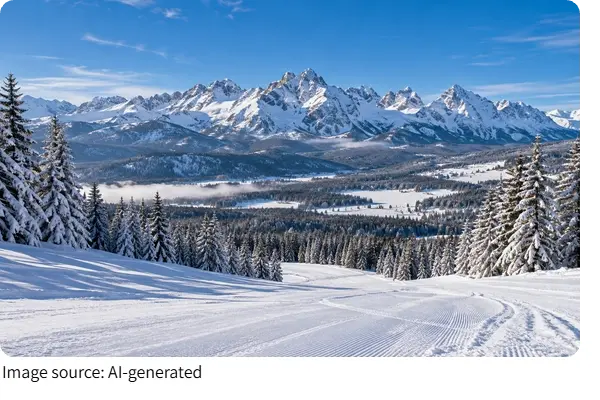
Hey, mountain lovers! Winter gives Zakopane’s wooden houses and the pointed Tatra skyline a storybook outline, while the right route choice keeps the day grounded and safe. The town makes a comfortable base for snowy valley walks, mountain views, and warm evenings, but winter does not leave every trail open.
Higher routes can close seasonally or require specialist experience and equipment, while lower marked paths may remain accessible when conditions permit. Build your plan around current park notices and mountain reports, not simply the view from town.
Dolina Kościeliska
Finding a Winter-Friendly Walk
Choose a lower valley route or an established access path to an open mountain shelter rather than aiming for an exposed summit. Kościeliska and Chochołowska valleys are popular starting points, but snow, ice, and closures still affect the day. The approach through woodland can be peaceful, with occasional wooden buildings and huts appearing against snowy slopes. Check the route’s official status before leaving Zakopane.
Discover Cornwall's remarkable tidal island, featuring a medieval castle, terraced gardens and a historic causeway
Discover East Greenland's spectacular icebergs, towering glaciers, and breathtaking Arctic scenery
See Switzerland's Matterhorn reflected in Riffelsee, with a scenic mountain railway ride and an optional downhill hike
Two unforgettable creek walks in the American Southwest: explore Arizona's Oak Creek Canyon or Utah's Lower Calf Creek Falls
Discover Australia's Wineglass Bay in Tasmania, from Freycinet's famous lookout to its white-sand beach and nearby stays
New Zealand's Lake Pukaki offers turquoise water, sweeping views of Aoraki / Mount Cook and an easy scenic drive from Twizel.
Winter walking needs more than warm clothing. Wear insulated boots with traction, carry a headlamp, and bring extra layers, water, and a paper or offline map. Microspikes can help on icy paths; higher terrain may require equipment and skills that casual visitors do not have. Turn around if visibility or footing worsens, and plan to return well before dark.
Trail Rules and Park Entry
The Polish Tatra National Park charges PLN11 for a standard day ticket and PLN55 for a seven-day ticket. The ticket covers marked routes within the park, while parking and any special transport are separate. Buy through the official ticket channel or at an authorized point, and save the confirmation for checks along the way.
Seasonal closures affect selected high routes from November into late spring, while access paths to many mountain huts remain open. Rules differ by route and conditions, so read the latest park bulletin before each outing. Current mountain reports matter even on an open trail: snowpack, ice, wind, and short daylight can turn an ordinary walk into a demanding one. If the plan feels beyond your experience, stay in the valley.
Getting Around Zakopane
The town’s municipal buses are useful for moving between central Zakopane and several local districts. The official fare is PLN6 for a single ride, PLN8 for a 60-minute transfer ticket, and PLN12 for a 24-hour ticket. These city fares are distinct from private minibuses serving trail approaches, so confirm the correct stop and fare before boarding.
For a trailhead beyond the municipal network, local minibuses commonly leave from central stops, but departure frequency can change with season and demand. Ask your lodging host which stop is operating for your chosen valley, and keep cash available. If driving, reserve parking at busy access points where required; a parking space does not replace the national park ticket. Leave room in the schedule for slow roads after snowfall.
Choosing a Place to Stay
Zakopane offers guesthouses, central villas, and larger hotels at different price levels. Recent comparison listings show Pensjonat u Ani near PLN 320 per night, Willa Bór Zakopane around PLN 370 per night, and Grand Hotel Stamary about PLN 470 per night. The first two suit travelers seeking a smaller guesthouse or a location outside the busiest center, while Stamary is a fuller-service choice closer to central attractions.
These rates are examples, not fixed winter quotes; holiday and February ski dates can cost considerably more. Check whether breakfast, parking, and cancellation are included, and compare the total for your exact nights. A central room makes buses and evening walks convenient, while a quieter outer district may offer a calmer stay but require more transport planning. For a winter weekend, refundable reservations booked early can reduce stress if weather changes the plan.
Balancing Scenery and Comfort
Plan one main walk each day and keep a second, shorter option ready. A snowy village stroll, a valley viewpoint, or a café break can still make a lovely outing when upper routes are closed. The town’s wooden architecture and mountain backdrop are part of the experience, so there is no need to measure the visit by summit count.
Getting There
Most travelers fly into John Paul II International Airport in Kraków (KRK), then take a train or bus to Zakopane. Return flights from major European cities typically cost PLN 320–800 depending on the season. The train from Kraków to Zakopane takes about 2.5 hours and costs around PLN 30–50. A bus from Kraków runs more frequently and costs roughly PLN 25–40. A private transfer from the airport costs around PLN 250–350. Once in Zakopane, local buses (PLN 6 per ride) connect the town centre with trailheads.
Where to Eat
Zakopane has a good selection of restaurants serving traditional Polish mountain food. A hearty meal of pierogi or potato pancakes at a local karczma (inn) costs around PLN 30–50, while a main dish at a mid-range restaurant runs about PLN 40–70. For a quick snack, the town centre has bakeries and cafes with sandwiches and pastries for roughly PLN 10–20. For self-catering, local supermarkets stock bread, cheese, and supplies for a day on the trail.
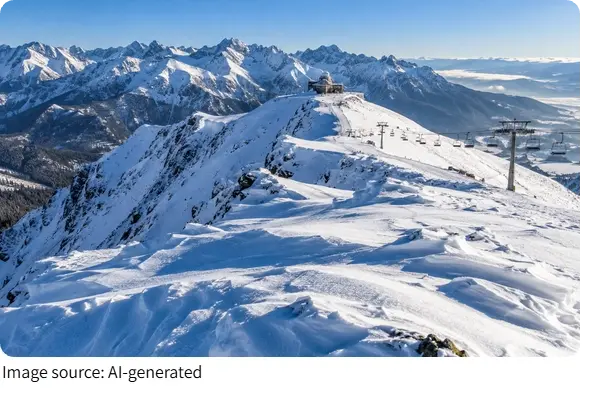
Finish the day with time to enjoy the town’s timber details and mountain silhouettes as the light fades. Keeping one indoor alternative on hand makes a winter itinerary feel complete even if snow or wind changes your walking plans. Zakopane works best when winter scenery and sound judgment go together: check the trail, dress for change, and leave space to adapt. Which would you choose for a first snowy visit, a quiet valley walk or a day exploring town?