Park Picnic Prep Made Simple

Ravish Kumar
| 26-11-2026
 · Lifestyle Team
Hello, and thank you for reading. A park picnic looks effortless in your head, but the actual version usually involves warm drinks, a forgotten opener, and someone sitting on a wet patch.
It doesn't have to go that way. A little planning before you leave the house fixes most of it, and you don't need fancy gear to pull it off.
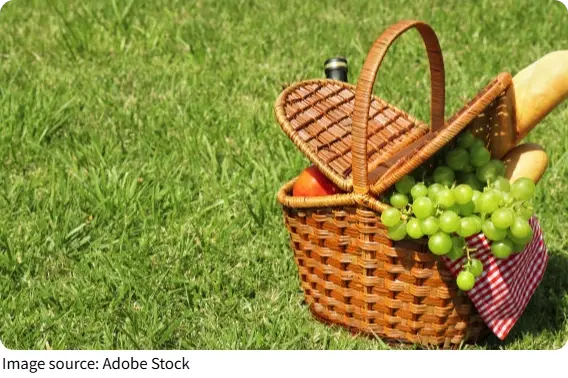
Start with the site, not the menu
Pick your spot and your shade before you think about food. A park with a grassy open lawn and scattered trees gives you options when the sun moves. Check whether the park has restrooms and a water tap, since carrying five liters of water across a field gets old fast. Arrive before 11 a.m. on a weekend if you want a table, because popular parks in most cities fill their picnic benches by midday. If you're driving, look up the parking lot location ahead of time, because the nearest lot often closes once it hits capacity.
Good bedding and a few smart decor choices do more for a bedroom than expensive furniture ever will.
Choose a container and a spot that suit your display, whether the flowers are live or artificial.
Size, material, and base style matter more than the finish you fall for first.
Plan where to start seeds, store tools, and give plants the light they need.
How can lighting change your living room? Creative ideas bring warmth, comfort, and modern style!
What each sofa material really gives you, from cleaning and wear to cost and feel.
Choose food that travels well
Skip anything that needs to stay cold for hours or turns soggy in a bag. Sandwiches on sturdy bread, cold roast chicken, hard-boiled eggs, cherry tomatoes, and fruit that holds up like apples and grapes all survive a warm afternoon. Cut vegetables at home and pack them dry, with dip in a separate small container. For a group of four, a rough rule is one main per person plus two shared sides and a bag of something crunchy. Bring a small salt shaker. It sounds trivial until you're eating plain cucumber in a park.
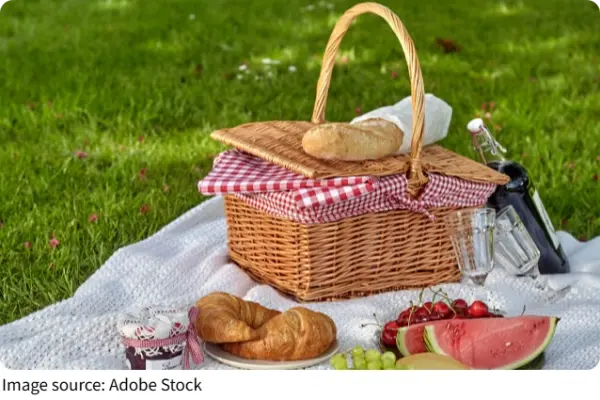
The gear that actually earns its space
A thick blanket beats a thin one every time, and a waterproof-backed picnic mat solves the damp grass problem entirely. Pack a cooler bag with an ice pack if you're bringing anything with dairy or meat, and keep it in the shade. Bring one roll of paper towels, a bag for trash, and a small cutting board if you're serving cheese or fruit. A folding cutting tool with a bottle opener covers most needs, though check local rules on blades before you go. Reusable plates and cups weigh more but save you from chasing napkins across the lawn.
Timing and weather, plainly
Mid-morning to early afternoon works best for most park picnics. The light is softer, the crowds are thinner, and you have time to eat before the hottest part of the day. Check the wind forecast, not just the temperature, because a gusty afternoon turns paper plates into projectiles and flips your blanket corners. If rain is possible, pack a light tarp and pick a spot near a covered shelter. Bugs get worse near still water and tall grass, so set up on open ground and bring repellent with picaridin or DEET if you're staying past sunset.
Small habits that save the day
Freeze a couple of water bottles overnight and use them as ice packs, then drink them once they melt. Pack heavier items at the bottom of your bag so it doesn't tip. Bring a spare bag for dirty dishes and a second one for trash, because park bins fill up fast on busy days. Tell someone where you're going if you're heading to a larger park with spotty phone signal. And leave the spot cleaner than you found it, which usually means one extra minute of picking up crumbs and a stray napkin.
A good park picnic comes down to three things: a shady spot you claimed early, food that survives the trip, and gear that keeps you off the damp ground. Everything else is optional. Pack the blanket, freeze the bottles, and give it a try this weekend. You'll figure out your own rhythm after the first one.