Nepal's Road to Recovery

Finnegan Flynn
| 26-10-2026
 · Travel Team
Nepal is rebuilding after catastrophic floods struck the country and neighbouring Tibet, China in August 2026, causing widespread destruction and claiming more than 1,300 lives. Despite the disaster, many of Nepal's most popular destinations remain accessible.
Tourism authorities are encouraging international visitors to return where conditions are safe, helping communities recover from the economic consequences.
For travellers, the challenge is planning a memorable holiday while respecting ongoing recovery efforts.
Why Tourism Matters To Nepal
Tourism supports approximately 15% of Nepal's employment, providing jobs for guides, hotel workers, drivers, restaurant owners and mountain communities. Nearly 1.16 million international tourists visited the country in 2025.
Explore a magical Highland forest where ancient trees, rare wildlife and peaceful trails reveal nature's extraordinary connections.
Explore a remarkable American wilderness with alligators, ancient forests and peaceful waterways, plus travel tips and prices.
Discover where enormous sharks gather near Ireland's coast, the best months to see them and how much a wildlife boat trip costs.
Discover Lake Titicaca’s extraordinary islands: ancient weaving traditions, breathtaking landscapes and local hospitality.
Just outside Paris, a former industrial island is becoming a cultural destination with galleries, architecture and riverside views.
Beyond the famous cities: six extraordinary Brazilian escapes with tropical beaches, wildlife and unforgettable scenery.
Previous disasters demonstrate how quickly visitor numbers can decline. Following the devastating 2015 earthquakes, international arrivals dropped by 32%, even though several popular destinations remained accessible.
A similar decline could create additional financial difficulties for communities already struggling to rebuild.
Which Destinations Can You Visit?
Kathmandu remains an important starting point for exploring Nepal's temples, traditional markets and historic architecture.
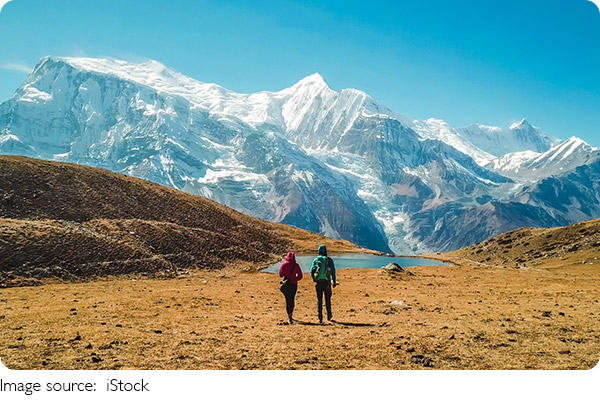
Pokhara offers lakeside scenery and access to the Annapurna mountains, while Chitwan National Park attracts visitors interested in wildlife and forest excursions. However, conditions vary considerably across trekking regions.
Recent flooding has damaged bridges and access routes around Manaslu and parts of the Langtang region. Travellers should confirm transport arrangements and trail conditions with local authorities and licensed operators before departure.
Kathmandu
How Tourists Can Support Recovery
Choosing locally owned accommodation, restaurants and guiding services can help direct spending towards communities. Hiring local guides and porters also supports employment in mountain regions. Travellers can consider purchasing handmade textiles and traditional crafts directly from artisans. However, visiting damaged communities without an invitation may place additional pressure on limited resources.
Those wishing to contribute financially should choose established humanitarian organisations working with affected residents. Responsible travel means ensuring that visitors support recovery rather than complicate it.
How Much Does A Trip Cost?
Nepal remains relatively affordable compared with many international trekking destinations.
Budget travellers can expect to spend approximately €25–€35 per person daily in Kathmandu or Pokhara, including simple accommodation, meals and local transport.
A comfortable mid-range holiday typically costs €45–€80 daily.
Basic guesthouse accommodation may cost €6–€12 per night, while private rooms with additional facilities generally range from €16 to €35.
A meal at a local restaurant often costs approximately €3–€8.
Guided trekking expenses are higher, commonly reaching €50–€125 per person daily depending on the route and services included.
Tourist visas cost approximately €27 for 15 days, €45 for 30 days or €112 for 90 days.
When Is The Best Time To Travel?
October and November traditionally offer favourable trekking conditions, with clearer mountain views and relatively mild daytime temperatures. March to May is another popular period, particularly for spring flowers and Himalayan scenery. However, favourable seasonal weather does not guarantee that damaged roads or bridges have reopened.
Visitors should check official safety updates shortly before travelling and avoid areas where recovery operations remain underway.

Planning A Responsible Holiday
Before booking, confirm that accommodation, transport connections and planned activities are operating safely.
Choose reputable operators, arrange suitable travel insurance and allow flexibility for route changes.
Travellers returning to previously visited destinations may find it easier to navigate changing conditions through established local contacts.
Nepal's mountains, ancient cities and remarkable cultural heritage remain compelling attractions.
By choosing appropriate destinations and supporting local businesses, visitors can enjoy an unforgettable journey while contributing to the country's longer-term recovery.