How Pumpkins Became Icons

Pankaj Singh
| 27-10-2026
 · Travel Team
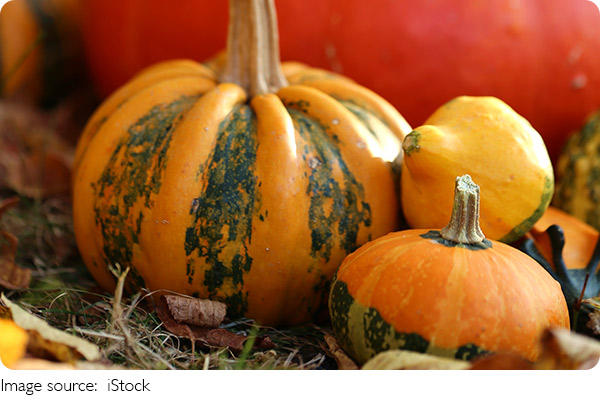
When Halloween arrives, brightly colored pumpkins become a familiar sight outside homes, at seasonal displays, and around festive gatherings.
But why did pumpkins become such an important part of Halloween? The answer can be traced to an Irish legend, an old lantern tradition, and the eventual popularity of pumpkins as an easy material for carving.
The Legend Behind the Jack-o'-Lantern
The story begins with an Irish folk tale about a man called Stingy Jack. According to the legend, Jack was known for his clever tricks and managed to deceive the Devil on several occasions.
After Jack died, the story says that he was not welcomed into the afterlife and was left to wander in darkness. The Devil gave Jack a burning coal to provide light during his journey. Jack placed the glowing coal inside a hollowed-out turnip and carried it as a lantern while wandering through the night.
Planning a Halloween celebration? Add creative games, decorations, costumes, and seasonal treats!
Explore colorful historic streets, charming squares, and breathtaking Carpathian views in Brașov, Romania
Desert camps, jeep routes, and what a night under the stars actually costs in Jordan's protected valley
Explore Iceland’s Colorful Highlands, Volcanic Mountains, Snow-Capped Summits, and Scenic Hiking Trails
Explore Indonesia’s Turquoise Lagoons, Spectacular Coral Reefs, Panoramic Island Views, and Traditional Coastal Life
Discover Chile’s Spectacular Geysers at Sunrise and Explore the Extraordinary Landscapes of the Atacama Desert
This character became associated with the name "Jack of the Lantern," which eventually developed into the familiar term Jack-o'-lantern. This tale became an important part of the folklore connected with Halloween and helped explain the tradition of creating illuminated carved lanterns.
From Turnips to Pumpkins
Interestingly, pumpkins were not the original vegetables used for these lanterns. In the Irish tradition described by the story, turnips were carved and hollowed out to create containers for lights. The practice changed when Irish immigrants brought the legend and related customs to America. They encountered pumpkins, which were widely available and offered a larger surface that could be carved more easily.
Pumpkins were particularly suitable for creating faces because of their size and shape. As people adapted the older tradition to their new surroundings, pumpkins gradually replaced turnips as the preferred material for Halloween lanterns. This change helped establish the pumpkin as one of the most recognizable symbols of the celebration.
Why Faces Are Carved Into Pumpkins
The carved face is closely connected with the story of Jack and the idea of a wandering spirit carrying a lantern. By creating faces in pumpkins and placing lights inside them, people developed a visual representation of the traditional lantern associated with the folklore. Over time, the designs became more varied. Simple expressions evolved into funny faces, frightening features, decorative patterns, and increasingly creative shapes.
Today, pumpkin carving is also a popular seasonal activity. Families can work together to choose designs and turn ordinary pumpkins into personalized decorations.
Pumpkins as a Symbol of Protection
The carved pumpkin was not only associated with the story of Stingy Jack. According to the traditional belief described in the source, illuminated pumpkins were also thought to help protect homes from wandering spirits. People placed carved lanterns near their homes, particularly around Halloween, as a symbolic form of protection. The practice eventually became a familiar part of seasonal decoration.
Pumpkins Became Part of Halloween Food
The pumpkin's connection with Halloween extends beyond carving. Pumpkins also became an important ingredient in seasonal cooking, particularly during the autumn period. Pumpkin pies, soups, and desserts became popular seasonal foods, creating another connection between pumpkins and Halloween celebrations.
Their use in both decorations and recipes helped strengthen the pumpkin's association with the season. This versatility also makes pumpkins particularly recognizable during autumn. The same seasonal ingredient can be used for creative projects as well as a variety of dishes.
A Tradition That Continues Today
The modern pumpkin decoration is therefore the result of several traditions coming together. An Irish legend provided the story of Stingy Jack, while turnips were originally used to create lanterns. When the custom reached America, pumpkins offered a larger and more practical material for carving.
As the tradition developed, carved pumpkins became increasingly connected with Halloween. Their bright appearance, simple carving possibilities, and connection to autumn helped them remain popular across generations.

The pumpkin eventually became more than a practical replacement for the original lantern material. It developed into a recognizable Halloween symbol, while pumpkin-based pies, soups, and desserts added another seasonal connection. Today, carving pumpkins remains a creative way to celebrate Halloween while keeping alive a tradition shaped by folklore and generations of adaptation.