Iceland's Hidden Gem!
Santosh Jha
| 02-11-2026
 · Travel Team
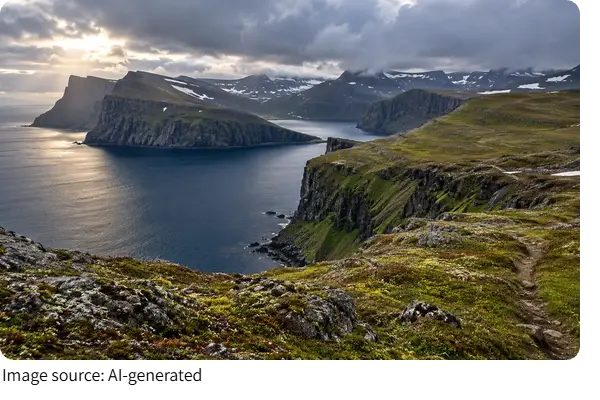
Far from Iceland’s busy tourist routes, Hornstrandir offers a remarkable escape into open landscapes and rugged coastal scenery.
Located at the northern edge of the Westfjords, this remote nature reserve is known for steep mountains, deep fjords, waterfalls, and quiet valleys.

When Is the Best Time to Go?
The main visitor season is during the Icelandic summer, generally from June through August. Boat services operate during this period, although schedules depend on the departure point and weather. July is often a practical choice because many routes become easier to access as seasonal snow retreats. June can still bring snow-covered sections, muddy ground, and challenging river crossings.
Planning an Ecuador trip? Learn about buses, taxis, domestic flights, and easy ways to travel!
Ready for a mountain adventure? Experience breathtaking Himalayan views, scenic trails, and nature!
Planning a Costa Rica getaway? Enjoy tropical beaches, lush rainforests, and unforgettable adventures!
Explore Oulanka's scenic trails, rushing rivers, and stunning forests in Finland's wild north!
How to plan a visit to Namibia's largest park, from dune walks and costs to beating the heat.
Discover a charming Alpine town with dramatic mountain trails, ancient gorges and affordable attractions away from the tourist crowds.
Hornstrandir
Choose a Hiking Route
Hornstrandir offers options ranging from short walks to demanding multi-day journeys. One of the best-known routes is the Royal Horn, also called Hornleið. This four-to-five-day trek crosses different parts of the peninsula, passing mountain valleys, coastal scenery, and the impressive Hornbjarg area.
Hikers looking for a shorter visit can use Hesteyri as a starting point for selected day walks. This former settlement provides access to attractive coastal and inland scenery without requiring a full expedition. However, even shorter routes can be demanding. Paths are not always clearly marked, and some sections involve uneven terrain, steep slopes, and river crossings.
How to Reach the Reserve
Most visitors begin their journey in Ísafjörður, the main town in the Westfjords. From there, seasonal boats connect travelers with several landing points around Hornstrandir. Departures may also operate from Bolungarvík and Norðurfjörður, depending on the route and schedule.
There is no road network inside the reserve, so the landing point should be selected according to the planned hike. It is important to arrange the return boat before departure rather than assuming another service will be available. Boat journeys are weather-dependent. Keep some flexibility in your wider itinerary in case rough conditions affect departure or collection times.
Where to Stay
Accommodation is limited, with designated campsites and a small number of basic overnight facilities. Camping is a common choice for multi-day visitors, but tents may only be pitched in approved areas. Some accommodation offers sleeping-bag arrangements, meaning visitors receive a bed but must bring their own sleeping bag and personal items. Facilities are simple, so do not expect the services available at a conventional hotel.
Prepare for Remote Conditions
A successful trip depends on carrying suitable equipment. Pack waterproof outerwear, warm clothing, sturdy hiking boots, a reliable tent, food, and enough supplies for possible delays. A detailed map, compass, and GPS device are important because fog can make navigation difficult.
Mobile phone coverage is unreliable, so do not depend on a signal for directions or emergency communication. Leave a travel plan with someone outside the reserve and check weather forecasts before setting out. Visitors must also follow conservation rules. Use designated campsites, stay on established paths where possible, carry all rubbish out, and avoid disturbing the surrounding environment.
Estimated Costs
Return boat transfer: approximately €180–€200 per person, based on published one-way fares around €95–€100.
Guided day excursion: approximately €120–€130 per person for selected trips.
Long guided hiking experience: around €400 or more per person, depending on duration and inclusions.
Camping: designated public campsites may be free, while privately operated sites can charge separately.
Basic indoor accommodation: allow approximately €50–€120 per person per night as a planning estimate, subject to availability.
Food and supplies: budget around €25–€45 per person per day, particularly when bringing provisions from Ísafjörður.
Hornstrandir is best suited to travelers who enjoy independent outdoor adventures and are prepared for limited facilities. Choose an appropriate route, organize boat transfers in advance, and carry everything needed for the trip.