Fjallabak Nature Reserve
Ethan Sullivan
| 30-10-2026
 · Travel Team
Hi, and welcome. Most Iceland trips follow the Ring Road, chasing waterfalls and dramatic landscapes you can reach in a rental car.
Fjallabak Nature Reserve offers a very different experience. Set in Iceland's southern highlands, this remote region is known for its multicolored mountains, steaming geothermal areas, and vast volcanic landscapes.
Reaching its most famous destination, Landmannalaugar, requires careful planning, as access depends on seasonal road openings and changing weather conditions.
What makes the colors happen
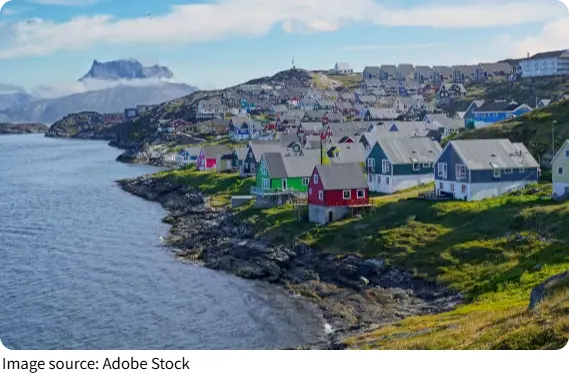
The mountains here are rhyolite, a volcanic rock rich in silica, and the palette is real: ochre, pale green, deep rust, and streaks of yellow. Landmannalaugar is the anchor point, and the walk up Brennisteinsalda, the sulfur-streaked cone beside the main hut, puts you above most of it in under an hour. The Laugahraun lava field at the trailhead is black and glassy, and the contrast against the colored slopes behind it is the reason people plan whole trips around this valley.
Norway's quiet glacier: hike to the ice edge, time your visit, budget your day.
Need costume inspiration? Find creative costume ideas for a memorable spooky season!
How did pumpkins become a Halloween symbol? Explore the history behind this familiar tradition!
Planning a Halloween celebration? Add creative games, decorations, costumes, and seasonal treats!
Explore colorful historic streets, charming squares, and breathtaking Carpathian views in Brașov, Romania
Desert camps, jeep routes, and what a night under the stars actually costs in Jordan's protected valley
Fjallabak Nature Reserve
Soaking after the hike
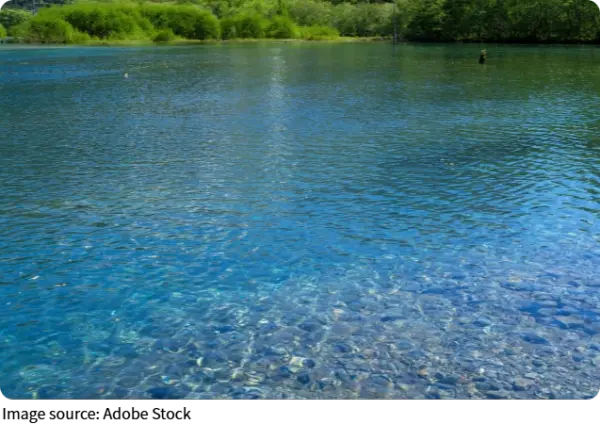
Landmannalaugar is also known for its natural hot-water stream, where visitors can relax in a geothermal bathing area surrounded by the highland landscape.
The water temperature varies depending on the location and conditions, as warm geothermal water mixes with colder water nearby. Check local guidance before entering, and be cautious around the edges and any areas marked as unsafe. Geothermal environments can contain dangerously hot water, so follow designated access points and never test unfamiliar water by touching it.
Bring a towel, dry clothes, and an extra warm layer for after your soak. Even in summer, temperatures in the highlands can be surprisingly cool, particularly when the wind picks up.
The road is the real test
The F208 is the main approach, and it's a mountain track with river crossings, not a paved road. A standard 2WD car is not allowed on F-roads in Iceland, and you shouldn't try. You need a proper 4x4, and rental companies will charge extra for highland insurance. Check the crossings before you go, because water levels change fast after rain. A good habit is to watch another vehicle cross first, or walk the river to check depth. Driving the F208 from the north side up past the waterfalls takes a couple of hours in good conditions, longer if you're cautious.
Timing and what it costs
The highland roads typically open around mid to late June and close in early September, and outside that window the reserve is effectively shut to vehicles. A 4x4 rental for a few days runs roughly $150 to $250 per day in peak season, so budget for that. Camping at Landmannalaugar is around $20 to $30 per person per night, and the mountain hut beds cost more and book out early. Entry to the reserve itself doesn't carry a separate gate fee, but some highland access points do charge a small road toll of a few dollars.
Plan around the weather
Highland weather turns quickly, and fog can drop visibility on the F208 to a few dozen meters. Carry a paper map or offline GPS, because phone signal disappears for long stretches. Pack for wind and rain even on a sunny morning, and tell someone your route before you leave. The reserve also has fragile moss and lava formations, so stick to marked trails at Landmannalaugar rather than cutting across the slopes.
Getting there usually means driving yourself, though some tour operators run highland day trips from Reykjavik if you'd rather not handle the river crossings. Fuel up before you leave the lowlands, since there are no stations in the reserve. And keep your tank above half, because the detours and slow going eat fuel faster than you'd expect.
Fjallabak rewards the extra effort, but it asks you to respect the road and the weather first. Get the 4x4, check the river levels, and give yourself a full day rather than rushing the F208. The colored mountains aren't going anywhere, and the slower you take it, the more of them you'll actually see.